Why a Combined Approach Matters
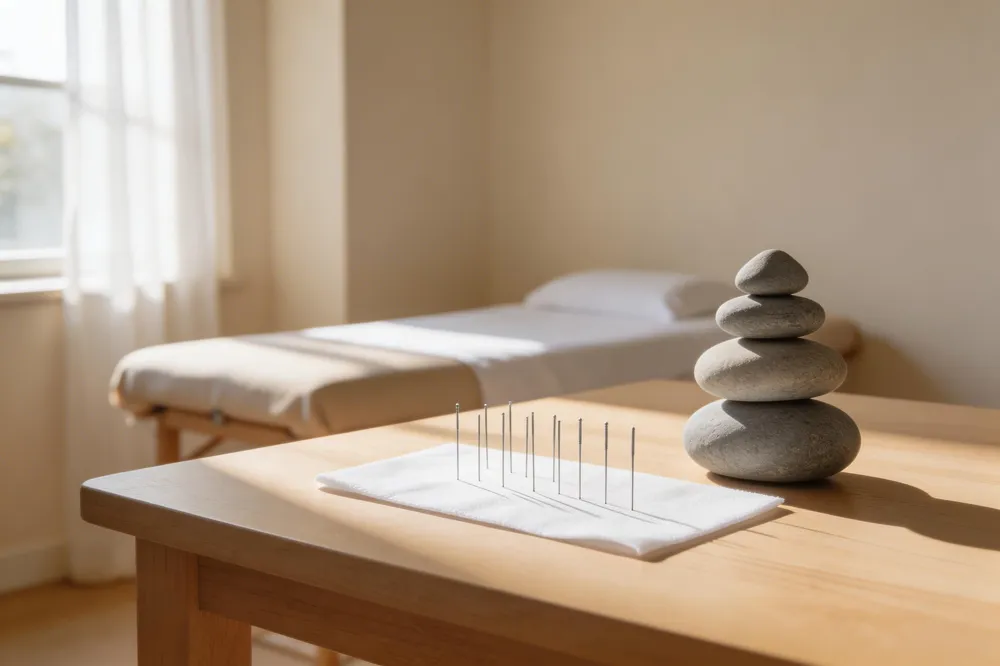
Acupuncture and physical therapy together provide pain relief by targeting both the nervous system and the musculoskeletal structure. Needles stimulate endorphin release and improve circulation, while therapeutic exercises restore strength, range of motion, and functional patterns. This synergy reduces inflammation, relaxes tight fascia, and speeds tissue healing, allowing patients to start PT sooner with less medication. The model centers on patient‑centered care—individualized plans, shared decision‑making, and education empower each person to manage pain and recovery. In La Crosse, clinics such as Padme Physical Therapy and AcuBoston, Coulee Physical Therapy, and Emplify Health combine local expertise, coordinated scheduling, and evidence‑based protocols for seamless, community‑focused rehabilitation.
Understanding the Mechanisms: Acupuncture Meets Physical Therapy
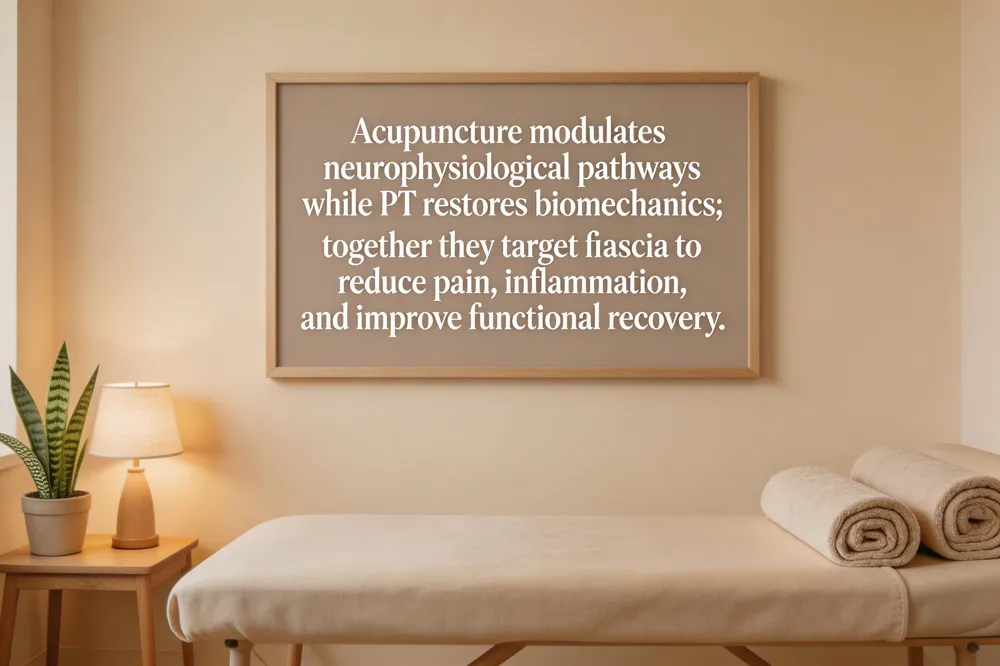 Acupuncture works primarily through neurophysiological pathways. Thin sterile needles stimulate sensory nerves, trigger the release of endogenous opioids, serotonin, and adenosine, and modulate the autonomic nervous system, leading to reduced pain, inflammation, and stress. Physical therapy, by contrast, targets the biomechanical side of injury: therapeutic exercises, manual therapy, and functional training restore strength, range of motion, and joint stability. Both modalities converge on fascia—the body’s connective‑tissue network that houses its own nervous system and links muscles, joints, and the spinal cord. By loosening fascial adhesions, acupuncture improves blood and lymphatic flow, while PT manual techniques and movement re‑education reinforce these gains, creating a synergistic healing environment.
Can acupuncture help with dysautonomia? Yes. Acupuncture can gently rebalance autonomic tone by stimulating points that influence heart‑rate variability, vascular resistance, and temperature regulation. While large‑scale trials are limited, clinical observations suggest reduced dizziness, fatigue, and digestive disturbances when acupuncture is added to conventional dysautonomia management.
What are the 5 categories of CAM? The five main groups are: (1) mind‑body therapies (e.g., meditation, yoga); (2) biologically‑based therapies (herbs, supplements); (3) manipulative and body‑based methods (massage, dry‑needling); (4) energy therapies (acupuncture, Reiki); and (5) whole‑medical systems (Traditional Chinese Medicine, Ayurveda).
Integrating acupuncture’s neuro‑modulation with PT’s biomechanical expertise offers a whole‑person approach that accelerates recovery, lowers medication reliance, and supports lasting functional wellness.
Targeted Conditions: From Dysautonomia to Ehlers‑Danlos
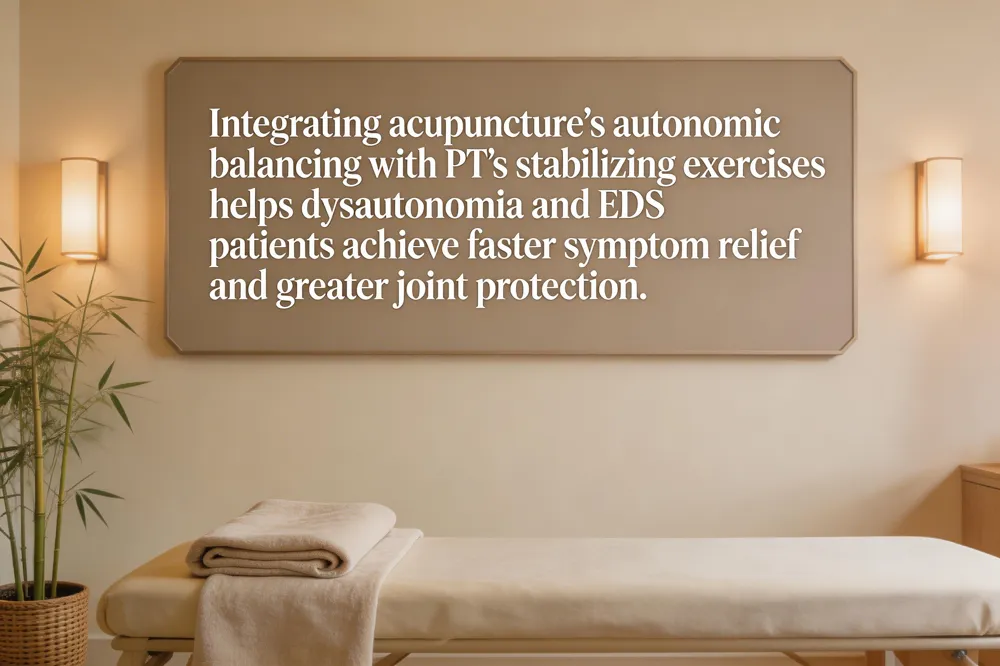 Patients in La Crosse who live with dysautonomia, hypermobility, or Ehlers‑Danlos syndrome (EDS) benefit from an integrative plan that blends acupuncture with evidence‑based physical therapy. Acupuncture calmens the nervous system, lowers inflammatory mediators, and improves blood flow, which can lessen the dizzy spells and fatigue common in dysautonomia. Physical therapy then restores functional independence through low‑load, stabilizing exercises, joint‑protective manual techniques, and education on posture and safe movement patterns. Together, the modalities produce faster pain relief, reduced muscle tension, and better range of motion, allowing patients to begin strengthening earlier and rely less on medication.
FAQs
- Does physical therapy help Ehlers‑Danlos? Yes—PT is a cornerstone of EDS care. Tailored, low‑impact strengthening, joint mobilizations, heat or taping, and education empower patients to protect hypermobile joints, decrease pain, and improve daily function.
- What are six examples of non‑pharmacologic therapies or complementary strategies for pain? 1) Heat/cold therapy, 2) Therapeutic exercise, 3) Massage or dry‑needling, 4) Cognitive‑behavioral or mindfulness techniques, 5) Acupuncture (or other mind‑body modalities such as tai chi or yoga), 6) Nutritional counseling with anti‑inflammatory supplements.
By coordinating acupuncture and PT at clinics like Padme Physical Therapy and AcuBoston, La Crosse residents receive a holistic, personalized pathway to pain‑free, active living.
Practical Considerations: Costs, Definitions, and Patient Guidance
 When you explore a combined acupuncture‑physical‑therapy plan in La Crosse, understanding the financial side helps you stay on track with your recovery goals.
Acupuncture session pricing – In the United States a typical 45‑minute acupuncture visit costs between $80 and $150. The first appointment, which includes a thorough health review and treatment plan, often runs $100‑$150; follow‑up sessions usually fall in the $50‑$100 range. Community‑based or university clinics may offer lower rates, sometimes $20‑$75 per visit, making care more accessible for budget‑conscious patients.
Alternative therapy definition – alternative therapy refers to health‑care practices used in place of conventional medicine. These approaches, such as acupuncture, herbal medicine, or homeopathy, emphasize whole‑body balance and are employed as the sole treatment option rather than as an add‑on to standard care.
Insurance and budgeting for combined care – Many insurers in Wisconsin, including Blue Cross Blue Shield and WPS Health, cover acupuncture when it is ordered by a licensed practitioner and deemed medically necessary. Local clinics like Padme Physical Therapy, AcuBoston, and Coulee Physical Therapy coordinate billing so that patients can receive both modalities under a single care plan, often reducing out‑of‑pocket costs and the number of PT sessions needed. Before starting, verify your plan’s coverage, ask about sliding‑scale fees, and discuss any financial concerns with your therapist to create a sustainable, evidence‑based rehabilitation pathway.
Techniques in the Clinic: Dry Needling, Integrative Care, and Safety
 In our La Crosse practice we offer both dry‑needling and acupuncture, each with a distinct purpose. Dry needling therapy uses ultra‑thin solid filaments inserted by a trained physical therapist into myofascial trigger points. The tiny micro‑lesion creates a local twitch response that restores blood flow, reduces acidity, and releases endogenous pain‑relieving chemicals, helping relieve local and referred pain while improving range of motion. Unlike traditional acupuncture, which targets meridian points to balance energy, dry‑needling focuses on musculoskeletal knots and is combined with exercise, stretching, and manual therapy. It is safe for most patients, though needle phobia, certain medical conditions, or early pregnancy may be contraindications.
Complementary and integrative medicine blends evidence‑based, non‑mainstream therapies such as acupuncture, therapeutic yoga, mindfulness, and nutrition counseling with conventional PT. This coordinated, whole‑person approach enhances pain relief, speeds functional recovery, and supports overall wellness. In our clinic, acupuncturists and PTs share a common treatment plan, align goals, and communicate regularly to ensure safety and efficacy.
Safety protocols and provider communication are core to our model. All practitioners are licensed, use sterile single‑use needles, and screen for contraindications (e.g., bleeding disorders, pacemakers). Treatment notes are shared in a secure electronic record, allowing the PT, acupuncturist, and primary‑care provider to stay informed and adjust care promptly. This integrated, transparent system maximizes benefits while minimizing risks for every patient.
Putting It All Together: Simultaneous Treatment and Local Collaboration
 Yes—patients can receive physical therapy and acupuncture during the same rehabilitation period. In La Crosse, the partnership between Padme Physical Therapy and AcuBoston makes this seamless. The two clinics work hand‑in‑hand to design personalized care plans that blend PT’s evidence‑based movement, manual therapy, and strengthening with acupuncture’s pain‑relieving, anti‑inflammatory effects. By treating the fascia network and triggering endorphin release, acupuncture eases muscle tension and improves circulation, allowing patients to perform PT exercises more comfortably and progress faster. The integrated model is tailored to each resident’s injury, surgery recovery, or chronic pain condition, with coordinated scheduling, shared documentation, and ongoing communication among the therapist, acupuncturist, and primary‑care provider. This collaborative, whole‑person approach not only reduces pain and swelling but also supports better sleep, lower stress, and quicker return to daily activities.
The Path Forward for La Crosse Patients
Moving ahead, local clinics will deepen research and systematically track outcomes for combined acupuncture‑physical‑therapy programs, publishing results that guide evidence‑based practice. Patients will receive clear education tools—online tutorials, workshops, and personalized handouts—explaining how fascia, endorphin release, and balanced movement interact to reduce pain and improve function. By expanding integrative services, Padme Physical Therapy, AcuBoston, and other La Crosse providers will offer seamless scheduling, shared electronic records, and multidisciplinary case conferences, ensuring every patient benefits from coordinated, whole‑person care. This collaborative roadmap empowers individuals to stay informed, actively participate in rehabilitation, and achieve lasting, pain‑free wellness, strengthening community connection for all.