
A Careful Look at Hands-On Treatment
When chronic pain continues, it is natural to ask whether hands-on treatment might help, and whether feeling better means the body is healing faster. Manual therapy may ease discomfort or make movement feel more manageable for some people, but it does not work the same way for everyone and should not be assumed to speed tissue healing.
Pain can also persist after an injury has healed. The nervous system may become more sensitive and continue to signal danger, so pain does not always mean that tissue is still being harmed. Pain science education can help explain this distinction and support more informed choices about care.
Research on manual therapy for chronic pain remains limited, so it is best viewed as one possible part of an individualized rehabilitation plan, rather than a stand-alone solution. At obrienphysicaltherapy.net, care is grounded in personalized rehabilitation and evidence-based treatment, with hands-on techniques considered alongside a person’s symptoms, goals, and daily activities.
Start With the Person and Their Goals
 Chronic pain can affect far more than one body part. It may change how a person moves, manages daily tasks, works, sleeps, or feels about being active. A thorough assessment considers these effects alongside the pain itself, since chronic pain can persist even when tissue is no longer being damaged, as explained in the ChoosePT guide to chronic pain.
A physical therapist may ask where pain occurs, when it appears, how intense it feels, and what makes it better or worse. The discussion can also cover health history, relevant conditions, previous care and medications, activity levels, sleep, and how symptoms affect movement. Work and home demands matter too, because a plan should relate to the tasks a person needs or wants to do.
Personal priorities help turn an assessment into useful goals. One person may want to return to work, while another hopes to walk more comfortably or resume exercise. Concerns about movement, mood, stress, coping strategies, and available support can help the therapist understand what feels manageable and how progress should be judged.
At obrienphysicaltherapy.net, personalized rehabilitation is grounded in understanding each person’s needs and functional goals. A physical therapist can use assessment findings to shape care, monitor changes in activities that matter to the patient, and coordinate with other health professionals when the person’s needs call for it.
Hands-on treatment may be considered when musculoskeletal pain, stiffness, or restricted movement affects the back, neck, joints, or soft tissues. It is not a universal fit or a stand-alone answer. The therapist weighs the person’s health history and goals, then may combine appropriate techniques with active exercise and other rehabilitation strategies.
Understand the Hands-On Options
 Manual therapy is skilled, hands-on care a physical therapist may use to address pain, joint or soft-tissue stiffness, and movement limitations. It is one set of techniques within physical therapy, not the whole rehabilitation process and not necessarily a full massage. The ChoosePT guide to chronic pain describes hands-on techniques as one part of care that may also include education and graded exercise.
Options include controlled joint mobilization, where a therapist guides a joint through specific movements, and manipulation, a brief, targeted movement used when clinically appropriate. Soft-tissue care may involve pressure or massage, while guided stretching can help you explore comfortable movement. The approach is selected to address your needs, rather than applied as a standard routine.
The choice depends on examination findings, health history, symptoms, and your goals. Your therapist will explain what they are doing and why, and you can ask questions or request adjustments at any time. This collaborative approach helps you understand your options and take an active role in your recovery.
Relief Is Not the Same as Healing
Hands-on care may change how movement feels without repairing tissue or resolving the cause of chronic pain. Joint mobilization, soft-tissue work, or gentle stretching can ease stiffness or muscle guarding and make movement more comfortable for some people. These effects are not guaranteed, and they do not mean the body is healing faster.
Pain can persist even when tissue has healed, in part because the nervous system may remain more sensitive. Manual therapy may briefly influence pain sensitivity, but it is one option within a wider plan, not a cure. The ChoosePT guide to chronic pain describes physical therapy as individualized care that can also include education and graded exercise. At obrienphysicaltherapy.net, care is evidence-based and personalized to a person's symptoms, goals, and response.
Research offers reasons for caution. A review of three trials involving 153 people with chronic neck or low-back pain found lower pain-catastrophizing scores in its pooled analysis, but the comparison with control groups was not statistically significant. Pain-intensity findings varied widely, and comparison-group results did not show a statistically significant improvement. The small, varied evidence base does not establish that manual therapy is superior to other care or identify a best technique. The review also discusses relaxation, reduced stress, and the therapist-patient relationship as possible explanations, not proven mechanisms.
A therapist can use any short-term change as a chance to practice a useful movement, while adjusting or stopping a technique that causes discomfort or does not help. This distinction between symptom relief and lasting change is also discussed in manual therapy’s role in broader pain management.
Build Progress Through Active Rehabilitation
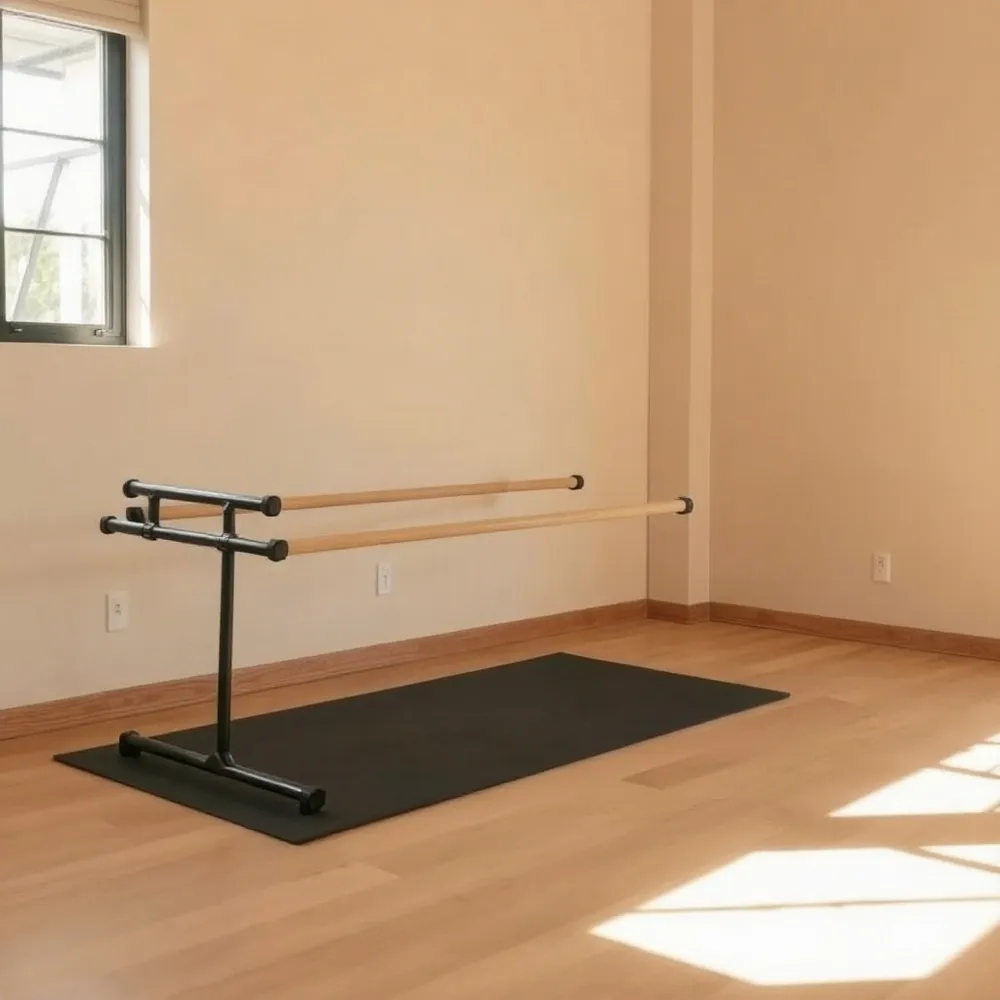 Physical therapy can help people with chronic pain work toward greater strength, mobility, and confidence in activities that matter to them. At obrienphysicaltherapy.net, care is grounded in individualized rehabilitation, with assessment and treatment shaped around each person’s symptoms, movement, and daily goals.
A plan may combine gradual strengthening and flexibility work with cardiovascular activity, movement practice, and adjustments to everyday tasks. A physical therapist can help select a starting point that feels manageable, then adapt the plan as your abilities and response change. This supports practical goals, such as walking more comfortably, returning to a hobby, or managing household routines.
Pain education can also help explain why sensitivity may continue after tissue has healed. Chronic pain can involve changes in how the nervous system processes signals, so pain does not always indicate ongoing harm. Hospital for Special Surgery’s pain science education guide describes how understanding pain may help reduce fear and support self-management. That knowledge can make it easier to approach movement gradually, while recognizing that recovery takes time.
If hands-on treatment makes a movement feel easier, use that change as an opportunity to practice the movement or try an agreed home exercise. The aim is to build skills and activity beyond the treatment table, not to rely on repeated passive care. Progress varies, and physical therapy does not guarantee complete pain relief, but a tailored plan can help people develop strategies for daily life and adjust them as needs change.
Support Progress Between Appointments
Progress between visits often comes from small, repeatable choices rather than pushing through every symptom. A physical therapist can help set a manageable starting point, pace chores with breaks, and gradually build activity while keeping ordinary tasks in the routine as much as possible. Prolonged bed rest is not a useful default, since reduced activity can contribute to weakness and make returning to daily tasks harder. The ChoosePT guide to chronic pain explains how graded activity and individualized plans can support function.
Sleep routines, relaxation practices, and learning how pain works may also help some people manage symptoms. Consistent sleep and strategies for stress are options to discuss, not requirements that suit everyone. Depending on a person’s needs, psychological support may be one part of broader care. The clinic’s personalized rehabilitation approach can connect these choices to goals and daily activities, rather than treating them as a separate checklist.
Tell your therapist when symptoms change, an exercise feels too difficult, treatment causes discomfort, or pain interferes with a task. That information helps guide adjustments to activity and exercise. For practical ideas on pacing and staying active between visits, see guidance on progress between appointments.
Keep Expectations Individual and Evidence Informed
Manual therapy may ease selected symptoms or make movement feel more manageable, but it is not a guaranteed cure or a proven way to speed healing for everyone. Chronic pain can persist without ongoing tissue damage, so symptom changes do not always indicate what is happening in the body. The ChoosePT guide to chronic pain describes hands-on care as one possible part of an individualized physical therapy plan.
A physical therapist can help weigh whether a technique suits your health history, discuss goals and alternatives, and adjust care based on your response. At obrienphysicaltherapy.net, individualized rehabilitation can address daily activities and personal goals, rather than treating a hands-on technique as a stand-alone answer.
Seek assessment for severe pain or symptoms that are not improving as expected. Meaningful progress may mean doing more of what matters and managing symptoms with greater confidence over time. Hands-on treatment can support that path when appropriate, alongside active strategies that build function and self-management.
A Personalized Path Toward Better Function
Hands-on treatment may have a place in rehabilitation when it fits a person’s symptoms and goals, but it is one part of care, not a promise of faster healing. A physical therapist can combine appropriate manual techniques with movement, education, and practical strategies for daily life. ChoosePT’s guide to chronic pain describes this individualized, broader approach.
At obrienphysicaltherapy.net, care is personalized around rehabilitation needs, including pain relief, sports recovery, and women’s health. If pain is limiting your activities, discuss your symptoms, concerns, and priorities with a qualified physical therapist. Together, you can consider suitable options and shape a plan that supports meaningful progress.