
Every Cell's Essential Ingredient
Water makes up 55 to 60 percent of the human body, and muscle tissue is roughly 75 percent water. This simple fact explains why fluid balance is fundamental to every bodily function—from transporting nutrients and oxygen to regulating temperature and removing waste. For anyone recovering from an injury, surgery, or an intense workout, maintaining this balance becomes even more critical. Proper hydration directly supports tissue repair, keeps joints lubricated, and ensures muscles can contract and relax efficiently, all of which are essential for making steady progress in physical therapy and rehabilitation.
The Hidden Hydration Gap
Despite its importance, many individuals—including athletes—begin their day or their workout already mildly dehydrated. Research shows that more than half of professional, collegiate, and high school athletes start exercise in a suboptimal fluid state. Even a loss of just 1 to 2 percent of body weight in water (a level many people may not notice) can impair endurance, reduce strength by about 2 percent, and lower anaerobic power by roughly 3 percent. When recovery is the goal, this seemingly small deficit can slow healing, increase muscle soreness, and hinder progress. This widespread gap between the body's need for fluid and actual intake highlights why building consistent hydration habits—such as sipping water throughout the day and keeping a reusable bottle nearby—is a foundational step for anyone seeking an active, pain-free recovery.|||Key Fluid Facts for Recovery
| Body Component | Water Content | Impact of Dehydration |
|---|---|---|
| Whole body | 55–60% | Slows nutrient delivery, impairs waste removal |
| Muscle tissue | ~75% | Reduces strength (~2%), power (~3%), and recovery speed |
| Joint cartilage | ~80% | Decreases synovial fluid, leading to stiffness and increased wear |
The Science of Hydration: Why It's Non‑Negotiable for Athletes and Rehab Patients
Why is hydration important for athletes and during exercise?
Water makes up about 60% of an adult’s body weight and roughly 75% of skeletal muscle. Every drop directly affects how a muscle contracts, repairs, and recovers from activity. When you work out or go through physical therapy, your body depends on fluid to transport oxygen and nutrients to hard-working tissues and to flush out metabolic waste products like lactic acid. Even a mild fluid loss of just 1–2% of your body weight can impair endurance, reduce strength by 2–5%, and decrease anaerobic power. This leads to higher perceived effort, a faster heart rate, and reduced performance.
Does staying hydrated help with muscle recovery and injury prevention?
Absolutely. Dehydration stresses the cardiovascular system by lowering blood volume, which forces your heart to work harder and slows the delivery of healing agents to injured sites. In a rehabilitation setting, this can delay tissue repair and increase the risk of injury. Proper hydration, on the other hand, maintains joint lubrication, keeps muscles elastic, and supports the cellular processes needed for protein synthesis and muscle repair. An easy guideline is to drink about half your body weight in ounces of water daily, adjusting for activity level and climate. By making consistent hydration a priority—using urine color or pre-/post-exercise weight checks to monitor status—you can reduce soreness, shorten recovery time, and improve the outcome of every therapy session.
| Dehydration Level | Performance Impact | Recovery Impact |
|---|---|---|
| 1–2% body weight loss | Reduces endurance; impairs mental focus | Slows nutrient delivery; increases muscle soreness |
| 2–3% body weight loss | Decreases strength by 2–5%; lowers power by ~5.8% | Delays protein synthesis; raises injury risk |
| >3% body weight loss | Impairs cardiovascular function; raises heart rate | Prolongs healing; increases fatigue and cramping |
Hydration Strategies That Work: How Much, When, and What to Drink

How much water should a person drink daily, and does it differ for athletes?
General guidelines suggest adults need about 11.5 cups (2.7 L) for women and 15.5 cups (3.7 L) for men of total water each day from fluids and foods. A common, easy-to-follow rule is to drink half your body weight in ounces daily. For athletes, this baseline increases. If you exercise for an hour, add 15–20 ounces to that daily total. For example, a 160-pound person should aim for at least 80 ounces of water, plus an extra 15–20 ounces for every hour of activity.
Remember, thirst is a late indicator of dehydration. Performance can drop after losing just 1–2% of your body’s fluids. Therefore, athletes must be proactive about their hydration, especially before and after workouts.
What are the recommended hydration strategies for athletes?
Adopting a timed hydration plan can make a significant difference. Here is a practical schedule:
| Timing | Fluid Intake Goal | Notes |
|---|---|---|
| Pre-Exercise (2-3 hours before) | 17–20 oz | Water is sufficient. |
| Pre-Exercise (20-30 minutes before) | 8 oz | Top off your fluid levels. |
| During Exercise | 4–8 oz every 15–20 minutes | Increase for heat/intensity. |
| Post-Exercise (within 2 hours) | 16–24 oz per pound lost | Include sodium for retention. |
Monitoring Your Hydration
Two simple tools can help you gauge your status:
- Urine Color: Aim for a light yellow (lemonade) color. Dark urine signals dehydration.
- Body Weight: Weigh yourself before and after exercise. Each pound lost is about 16 oz of fluid that needs to be replaced.
For sessions over 60 minutes or in hot conditions, include electrolytes (sodium, potassium) and a small amount of carbohydrates to maintain performance and aid recovery.
Beyond Plain Water: The Role of Electrolytes, Sports Drinks, and IV Therapy
What Does Dr. Stacy Sims Recommend for Hydration?
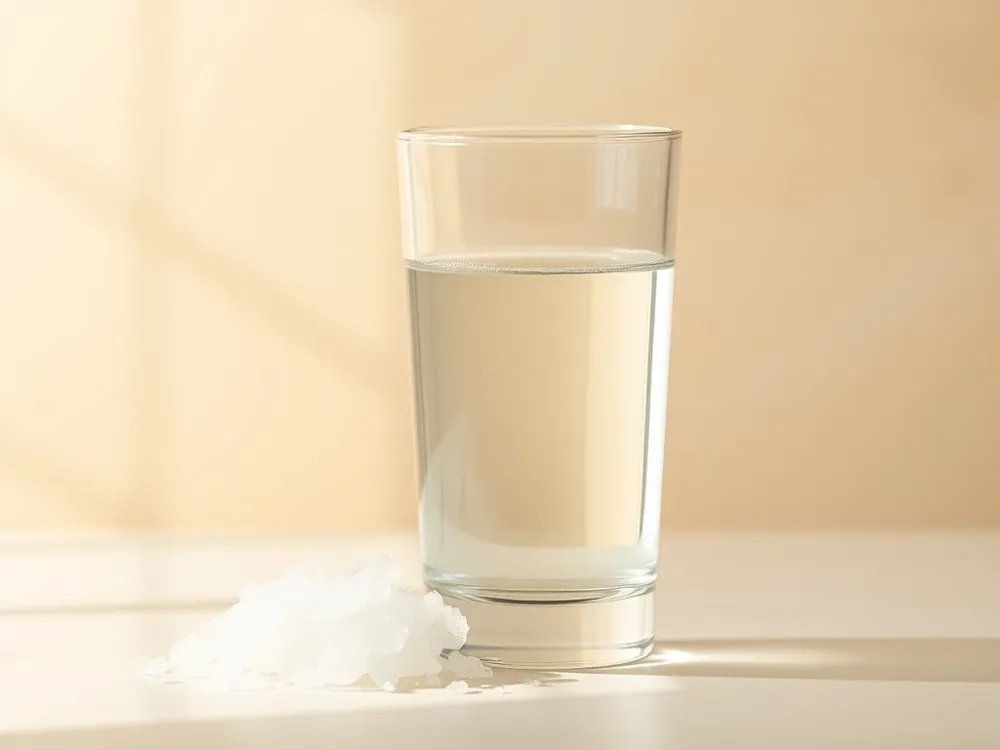
Dr. Stacy Sims, an exercise physiologist, recommends a natural DIY hydration mix: water, a pinch of salt (like Himalayan), and a dash of maple syrup. Her hypothesis is that this combination increases fluid viscosity, which may improve gut retention and absorption. This can be a more effective option than plain water for rehydration during prolonged activity.
What is IV Hydration Therapy, and How Often Should It Be Used?
IV hydration therapy delivers fluids, vitamins, and minerals directly into the bloodstream, bypassing the digestive system for rapid absorption. It is often used for rehydration and athletic recovery. The frequency varies: some patients benefit from weekly sessions, while others find a session every few months sufficient. While popular, it should be used under medical guidance.
Enhancing Fluid Absorption with Electrolytes
For prolonged exercise, sports drinks with sodium (20–30 mmol/L) and carbohydrates (5–10%) enhance fluid absorption and maintain blood glucose. Many athletes misunderstand these benefits. For women, hormonal fluctuations increase fluid and sodium needs, generally requiring more sodium and potassium than men for effective rehydration.
Local Hydration Services in La Crosse, Wisconsin
La Crosse offers several local hydration services. Synergy Wellness Lounge provides IV hydration therapy and wellness infusions, which can be booked directly. Synergy Wellness Center at 431 Jay Street offers a wide range of holistic treatments including infrared saunas, red light therapy, and massage. These services complement traditional physical therapy by supporting overall recovery.
| Beverage Type | Sodium (approx) | Carbohydrates | Best Use Case |
|---|---|---|---|
| Plain Water | 0–5 mg/L | 0 g/L | Daily hydration, short exercise |
| Commercial Sports Drink | 300–500 mg/L | 50–70 g/L | Prolonged, intense activity |
| DIY Electrolyte Mix | ~300 mg/L | ~10 g/L | Customizable, cost-effective recovery |
| IV Hydration | Variable | Variable | Severe dehydration, medical need |
Warning Signs and Special Considerations: Dehydration Risks Across Life Stages

What are the warning signs of dehydration?
Recognizing the early signs of dehydration is crucial for maintaining recovery and well-being. The first indicators are often thirst and dark yellow or strong-smelling urine, along with urinating less frequently. As fluid loss continues, you may notice a dry mouth, lips, or eyes, accompanied by dizziness, lightheadedness, headache, and fatigue. These symptoms can make it harder to stay engaged during physical therapy and daily activities.
Severe dehydration requires immediate attention. Look for confusion, a rapid or weak pulse, fainting, or not urinating for eight hours or more. In infants and young children, additional warning signs include a sunken soft spot on the head, no tears when crying, fewer wet diapers, and unusual drowsiness or irritability. If symptoms persist after drinking fluids, or if confusion or severe dizziness occurs, seek medical help promptly.
Can dehydration affect menstrual health, such as period flow and duration?
Yes, dehydration can directly impact menstrual health. When the body is low on fluids, it conserves water, which may lead to lighter or irregular bleeding. This happens because lower blood volume affects oxygen and nutrient delivery to the uterus. Proper hydration, on the other hand, supports efficient uterine contractions and can help reduce common period symptoms like cramping, bloating, and fatigue.
Some research suggests that increased water intake may help shorten bleeding duration and lessen pain intensity during menstruation. For women in the luteal phase, up to an 8% loss of plasma volume can occur, and higher progesterone levels can reduce heat tolerance and shorten time to fatigue. Women on hormonal birth control may have 6–8 times higher levels of estrogen and progesterone, further increasing their need for fluids and sodium.
Should I take electrolytes when taking Wegovy?
Taking electrolytes while on Wegovy is not always necessary, but it can be highly beneficial if you experience vomiting, diarrhea, or excessive sweating. Since Wegovy reduces appetite and thirst, you may consume less food and water, which raises the risk of electrolyte imbalances. Sugar-free or low-sugar electrolyte drinks can help maintain proper mineral levels without adding extra calories that might interfere with your progress.
Older adults face a similar risk because the sensation of thirst becomes blunted with age, making it easy to become dehydrated without realizing it. Athletes in dry or cold climates, like Wisconsin winters, can also lose significant fluid through respiration without feeling sweaty. For anyone taking appetite-suppressing medications or with altered thirst cues, pairing regular water intake with electrolytes offers a simple, effective safeguard.
| Dehydration Risk Factor | Physical Impact | Practical Recommendation |
|---|---|---|
| Hormonal birth control | 6–8x higher estrogen/progesterone; increased fluid loss | Increase sodium and water intake, especially before exercise |
| Menstrual cycle (luteal phase) | 8% plasma volume loss; reduced heat tolerance | Drink 5–6 ml per pound body weight per hour during activity |
| Older age | Blunted thirst sensation; higher dehydration risk | Use scheduled water breaks and urine color charts |
| Wegovy or similar medications | Reduced appetite; vomiting/diarrhea; electrolyte loss | Choose sugar-free electrolyte drinks; consult your provider |
| Dry or cold climates (e.g., Wisconsin) | Fluid loss without sweating; respiratory water loss | Drink water consistently; add electrolytes for long workouts |
From the Clinic to Your Glass: Making Hydration a Sustainable Habit
Why start with water in the morning?
Starting your day with a full glass of water jump-starts your metabolism and rehydrates your body after sleep. Make it a habit by keeping a reusable water bottle visible throughout the day and setting phone reminders to sip regularly. For flavor, infuse your water with citrus slices, berries, cucumber, or fresh herbs like mint. Water-rich foods—watermelon, cucumbers, oranges, and spinach—also contribute to your daily fluid intake, making hydration more enjoyable and sustainable.
How does aquatic therapy complement hydration?
Aquatic therapy uses water's buoyancy to reduce joint stress and its viscosity to provide resistance, allowing patients to build strength without heavy weights. The warm water relaxes muscles and improves range of motion. This external use of water works in tandem with internal fluid balance to support recovery—a strategy available locally through services like the University of Wisconsin-La Crosse Athletic Training Services.
What special considerations do active women need?
For women, post-workout snacks with a 3:1 protein-to-carb ratio—such as low-fat Greek yogurt with honey or chocolate milk—support muscle repair. Avoid fructose-based rehydration drinks, as they can cause gastrointestinal bloating in many women. During the luteal phase, increased sodium intake may be needed to maintain fluid balance.
Why does education matter?
A strong positive correlation exists between hydration knowledge and behavior (r=0.70). Education from physical therapists and athletic trainers can significantly improve fluid intake habits, helping you recognize dehydration signs early and adjust your routine for faster healing.
What local La Crosse resources are available?
In La Crosse, physical therapists like those at O'Brien Physical Therapy integrate hydration coaching into personalized recovery plans, while UW-La Crosse's Athletic Training Services offers hydrotherapy programs. These community-focused resources help you combine expert guidance with sustainable hydration habits for active, pain-free living.
Water Works: The Foundation of Lasting Recovery
Hydration is not an afterthought—it is the foundation on which effective rehabilitation, athletic performance, and overall wellness are built. Water makes up about 60% of our bodies and muscles are roughly 75% water, meaning every repair process depends on adequate fluid levels. Even mild dehydration—just a 1-2% loss of body weight—can impair strength by about 2%, reduce power by roughly 3%, and slow healing considerably. For patients in physical therapy, this translates to longer recovery times, increased muscle soreness, and reduced range of motion if fluid needs are not met.
Understanding Your Individual Needs
Because sweat rates vary widely (0.5 to 3.0 liters per hour depending on body size, intensity, and environment), one-size-fits-all hydration advice falls short. Tracking hydration status with simple tools like urine color (pale yellow indicates good hydration) or pre- and post-exercise body weight measurements helps personalize fluid intake. Incorporating electrolytes—sodium, potassium, and magnesium—is especially important for women during the luteal phase of the menstrual cycle, when hormonal changes can increase fluid loss and sodium excretion. A practical pre-activity guideline is to drink 500–600 ml of water or a sports drink 2–3 hours before exercise, then 200–300 ml every 10–20 minutes during activity to keep body weight loss below 2%.
Practical Strategies for Lasting Recovery
Every step toward better hydration supports faster, stronger recovery. Start the day with a glass of water, keep a reusable bottle nearby, and add natural flavors like citrus or cucumber if plain water feels unappealing. During prolonged workouts or hot conditions, a sports drink with electrolytes and a mix of sucrose and glucose enhances fluid absorption. Post-exercise rehydration within two hours, including sodium-containing fluids, helps correct deficits and restore muscle glycogen. For patients with injuries or post-surgical recovery, working with a physical therapist to integrate these strategies—alongside modalities like aquatic therapy, which uses water’s buoyancy and resistance to reduce pain and build strength—amplifies healing outcomes.
Every Sip Counts
Whether through a glass of water first thing in the morning, a measured sports drink during a long workout, or professional guidance from a physical therapist, every sip counts toward a faster, stronger recovery. By making hydration a consistent habit and leveraging simple monitoring tools, patients and athletes alike can accelerate healing, reduce injury risk, and move more freely toward an active, pain-free life.