
A New Way to Relate to Pain
Chronic pain affects an estimated 50 million U.S. adults, according to the Centers for Disease Control and Prevention. It is not simply a persistent physical ache—it often brings emotional and mental distress, including anxiety, depression, and increased stress. These layers can make daily life feel overwhelming and can amplify the pain itself.
Mindfulness offers a different approach. Instead of fighting pain or trying to ignore it, mindfulness teaches you to observe physical sensations, thoughts, and emotions with curiosity and without judgment. This shift in perspective changes your relationship with pain, even when the underlying sensation remains.
At O'Brien Physical Therapy, we believe that combining expert rehabilitation with mindfulness strategies empowers you to take an active role in your recovery. This article explores how techniques like body scans, breath awareness, and focused attention can be woven into your personal pain management plan, helping you reduce distress and improve your quality of life.
Understanding Mindfulness for Pain
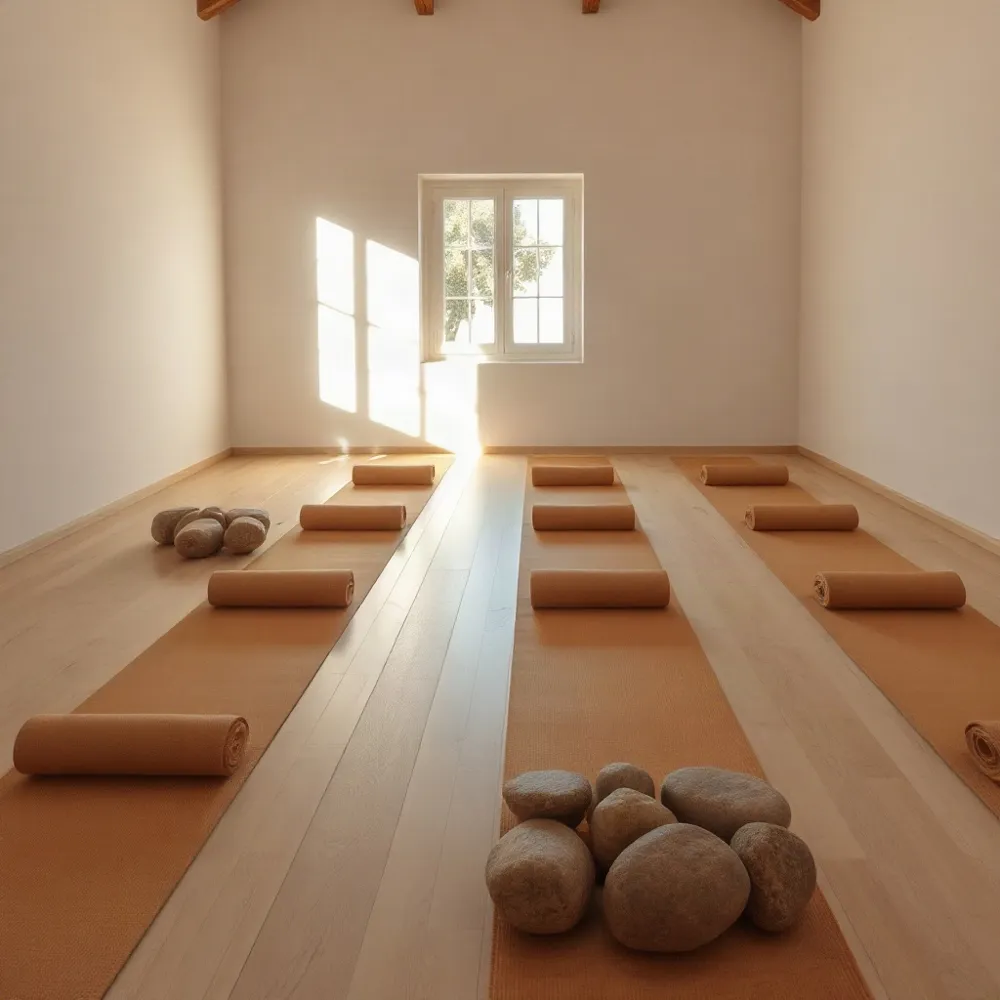 Mindfulness, as defined by Jon Kabat-Zinn, is "awareness that arises through paying attention, on purpose, in the present moment, nonjudgmentally" (according to the Mayo Clinic Health System). For someone managing chronic pain, this means learning to observe physical sensations without immediately reacting with fear or a fight-or-flight response. It is a shift from fighting the pain to understanding your experience of it.
Pain has more than one layer. There is the raw physical sensation (e.g., throbbing or burning) and the "pain unpleasantness" — the emotional distress and mental struggle that says "I need this to stop." Mindfulness helps separate these layers, allowing the physical sensation to be present while reducing the 'second layer of suffering' caused by fear and stress.
Research from the University of California San Diego found that mindfulness meditation reduced both pain intensity and pain unpleasantness more effectively than a placebo cream, sham meditation, or no treatment (as reported by Harvard Health). This happens because mindfulness changes three key processes: where your attention goes, how the brain appraises threat, and how the body's stress response is activated.
When you practice mindfulness, you train your brain to redirect focus away from alarm signals. This reduces the threat level your nervous system assigns to pain, which in turn calms the stress response. Over time, this creates a more manageable experience, allowing you to engage more fully in daily life and rehabilitation.
What the Research Says About Mindfulness
 A 2017 meta-analysis of 38 randomized controlled trials found that mindfulness meditation was associated with improvements in pain symptoms, depression, and quality of life, though the overall evidence quality was rated as low. Despite this, the consistent signal across multiple studies has made mindfulness a recognized adjunct in pain care.
Randomized controlled trial data shows that both Mindfulness-Based Stress Reduction (MBSR) and cognitive behavioral therapy are significantly more effective at reducing pain intensity and how bothersome pain feels compared to usual care at 8, 26, and 52 weeks. A 2024 UC San Diego report further demonstrated that mindfulness meditation reduced pain intensity and pain unpleasantness more than a placebo cream or sham mindfulness.
In some individuals, ongoing daily mindfulness practice has led to a reduced need for pain medication. Research cited by the Mayo Clinic Health System indicates that some participants have been able to reduce, and sometimes eliminate, their use of pain medications through consistent practice.
The Body Scan Technique for Pain
 Stress reduction expert Jon Kabat-Zinn recommends the body scan mindfulness exercise as the most effective form of meditation for pain conditions. This structured approach guides you through a slow, deliberate awareness of your body, one region at a time.
To begin, lie on your back or in any comfortable, outstretched position. Close your eyes and focus on your breathing, feeling your belly expand with each inhale and recede with each exhale. Shift your attention to your left foot, noticing any sensations including pain, and imagine letting the area soften with each exhale. When your mind wanders, observe where it has gone and gently return your focus without judging yourself. Gradually release the focus on your left foot, even if pain hasn't gone away, and move slowly up through your ankle, calf, and beyond.
The goal of this practice is not to eliminate pain but to get to know it so you can manage it. If you notice pain, acknowledge it along with any accompanying thoughts, and breathe through it without expecting it to abate. Kabat-Zinn advises practicing daily for 45 minutes, though shorter sessions can still be valuable. At our clinic, we help patients adapt this technique, providing permission to rest attention on neutral areas like the hands or breath if focusing on a painful spot feels overwhelming.
Other Mindfulness-Pain Techniques
Beyond the body scan, several other mindfulness techniques can help you build a versatile pain-management toolkit. Each approach trains a slightly different mental skill, so experimenting with a few can help you find what fits your daily experience.
Focused attention. Practices that anchor your awareness on a single object, such as the breath. When the mind wanders, you gently return to the breath. This builds concentration and the ability to disengage from pain-related thoughts.
Open monitoring. Instead of holding a single focus, you notice whatever arises — sensations, sounds, emotions — without grabbing onto any of them. This helps reduce the tendency to amplify a painful sensation by adding fear or frustration on top of it.
Body-based practices. Gentle yoga, mindful walking, or tai chi combine movement with breath awareness. They can ease muscle tension, improve posture, and strengthen the mind-body connection, often making pain feel more manageable.
Micro-practices. Short sessions lasting 30 seconds to 2 minutes can fit into busy or high-pain days. Examples include taking three conscious breaths before getting out of bed or pausing to name one sensation in your feet. Consistency matters more than duration.
Mantra-based techniques. Silently repeating a phrase such as "I feel you. I hear you. And I accept you" can redirect the mind's habitual resistance to pain. Mantras help adapt the brain's response to pain by reducing the emotional charge attached to a sensation.
Urge surfing. Developed for managing cravings, this technique also works for pain sensations. You notice the feeling as it arises, ride its natural rise and fall without acting on it, and observe it subside. It teaches that sensations are temporary, even when they feel overwhelming.
At obrienphysicaltherapy.net, we incorporate several of these techniques into our rehabilitation sessions to help patients find what works for their specific condition. Our clinicians can guide you through mindful movement, breathwork, or micro-practices that fit into your recovery plan. Starting with 5 to 10 minutes most days tends to produce better results than occasional long sessions.
Creating Your Mindfulness Routine
The most effective mindfulness routine is the one you can actually stick with. For chronic pain, that means starting small — 2 to 5 minutes on ordinary days rather than during a pain flare. Building the skill when pain is quieter allows your brain to learn the pattern without the extra challenge of intense discomfort. According to the Mayo Clinic Health System, daily practice helps people living with chronic pain manage negative or worrisome thoughts about the pain, which can affect mood and increase pain.
Once you are comfortable with short sessions on good days, you can apply the skill during flares using a simple 5-minute technique: settle into a comfortable posture, breathe naturally, locate the sensation in your body, name its qualities (tight, warm, sharp, throbbing), soften any resistance you feel, and gently return your attention to your breath. This approach helps separate the raw sensation from the struggle that often amplifies it.
For lasting results, consistent practice matters more than duration. Research cited by the Harvard Medical School shows that body scan mindfulness, practiced daily as recommended by stress reduction expert Jon Kabat-Zinn, can help you get to know your pain and learn from it so you can manage it better. Sessions of 10 to 15 minutes most days tend to produce better outcomes than occasional long sessions. This aligns with the approach at Obrien Physical Therapy, where the team incorporates short, guided mindfulness practices into personalized rehabilitation plans, helping patients build body awareness and reduce pain-related stress alongside hands-on treatment.
Track What Matters
To stay motivated and see progress, track a few simple markers each day: your practice time, evening tension level, one function marker (such as being able to walk for a certain distance or cook a meal), and optionally your pain intensity. This record helps you notice patterns and celebrate gains that go beyond a pain score.
Mental Strategies for Chronic Pain
Chronic pain and stress feed each other in a cycle. Pain activates the body's stress response, which in turn increases muscle tension, inflammation, and pain perception. Understanding how this cycle works is the first step toward controlling it.
Breaking the Pain-Stress Cycle with Deep Breathing
The Mayo Clinic Health System explains that focusing on relaxing the body and noticing the breath can help manage pain and reduce symptoms of depression and anxiety. Deep breathing activates the parasympathetic nervous system, lowering heart rate and easing muscle tension. This simple intervention can be used at any point during the day, not just when pain is severe.
When practiced regularly, deep breathing trains the brain to shift away from alarm mode. Studies involving chronic low back pain patients have shown that those who engaged in mindfulness practices alongside physical therapy reported significantly lower pain levels and improved mobility compared to those who only received traditional care.
Changing Unhelpful Thought Patterns
Thought patterns like catastrophizing (the belief that 'this pain will never end') amplify pain signals and maintain central sensitization. Mindfulness helps break this pattern by teaching non-judgmental awareness of thoughts. Research on Mindfulness-Based Stress Reduction (MBSR) shows it can reduce catastrophic thinking, with drops in catastrophizing scores corresponding to reductions in pain and depression.
Cognitive behavioral therapy (CBT) provides another layer of support by helping replace negative thought loops with more accurate, helpful perspectives. Combining CBT-style cognitive strategies with mindfulness creates a powerful approach for changing how the brain processes pain.
Pacing, Spacing, and Mantras
Pacing daily activities means alternating tasks with rest periods so energy reserves are not depleted all at once. Spacing activities across the week prevents overwhelming flare-ups that can set recovery back. This proactive approach gives a sense of control that counters the helplessness chronic pain often brings.
Using mantras and positive self-talk can support this mental shift. The Parkinson's Foundation recommends acknowledging pain with phrases like 'Hello. I feel you. I hear you. And I accept you,' or affirming strength with 'I am strong. I am resilient. I trust my body.' Another simple mantra is 'Look how far I've come,' which redirects the brain toward progress rather than pain.
These strategies work because mindfulness helps separate the raw sensation of pain from the mental commentary surrounding it. The Mayo Clinic notes that daily mindfulness practice helps people living with chronic pain manage negative or worrisome thoughts about the pain, which can affect mood and increase pain itself. By integrating deep breathing, thought restructuring, pacing, and mantras into a daily routine, you can improve both quality of life and emotional well-being while living with chronic pain.
When to Seek Extra Support
Mindfulness is generally safe, but it is not always the right approach for everyone in every situation. For some people, focusing deliberately on painful sensations can increase anxiety, panic, or bring up trauma-related distress. When this happens, self-guided practice may not be the safest container for healing.
People with untreated post-traumatic stress disorder (PTSD), severe depression, or very high levels of distress may find that standard mindfulness exercises amplify their symptoms rather than calm them. If your practice consistently leads to feelings of dissociation, panic, or a fixation on the pain itself, it is a signal to pause and seek professional support.
A doctor, psychologist, or pain specialist can help determine whether mindfulness is appropriate for your situation or whether another approach would be more effective. Medical evaluation is also recommended for any new, severe, worsening, or unexplained pain before starting any self-management technique.
Mindfulness belongs beside medical care, movement, and psychological support — it should never replace them. At obrienphysicaltherapy.net, clinicians take a holistic view, integrating evidence-based techniques like guided breathing and mindful movement alongside hands-on rehabilitation to ensure each patient receives a well-rounded, individualized plan.
Free Mindfulness Resources to Get Started
A number of free resources can help you build a mindfulness practice without a financial commitment. The Mayo Clinic Health System offers written guidance on using mindfulness to cope with chronic pain, along with free audio exercises through their Mindful Breathing Lab.
Smartphone apps provide low-cost entry points as well. The Insight Timer app features a large library of free guided meditations for all experience levels. Apps like Headspace and Calm also offer free introductory content, and many community health centers host Mindfulness-Based Stress Reduction (MBSR) programs on a sliding scale or for free.
At O'Brien Physical Therapy, we encourage starting with short guided sessions of 3 to 5 minutes rather than long silent ones, especially when pain is high. A brief, guided practice builds momentum without adding fatigue. Local community agencies also offer free or low-cost retreats, workshops, and therapy groups led by experienced facilitators.
Mindfulness in Physical Therapy Practice
Physical therapy naturally extends beyond exercises and stretches. When physical therapists integrate mindfulness techniques into sessions, they address both the physical and emotional sides of recovery.
A practical approach is to open each session with a minute of deep breathing. This simple act helps center a patient's focus and prepares the nervous system for therapy. During exercises, the therapist can guide the patient to pay close attention to the sensations in specific muscles and joints.
Another technique is progressive muscle relaxation, where the patient systematically tenses and then relaxes different muscle groups. This builds body awareness and can release habitual tension patterns. Closing the session with a brief body scan gives the patient a chance to note any lingering areas of discomfort or tightness.
At obrienphysicaltherapy.net, mindfulness is a standard part of the rehabilitation process. One study found that patients who combined mindfulness practices with physical therapy reported significantly lower pain levels and improved mobility compared to those receiving traditional physical therapy alone. The clinic incorporates guided breathing and mindful movement into each plan to help patients build skill for managing pain both during and after recovery.
Your Journey Toward Empowered Pain Management
Mindfulness is a skill that builds gradually with consistent, short daily practice. Many people notice the first signs of progress not in lower pain scores but in better sleep, reduced muscle tension, and faster recovery from pain flares.
The best results come from combining mindfulness with regular movement, good sleep hygiene, social support, and guidance from your healthcare team. This holistic, patient-centered approach empowers you to move toward more active, pain-free living.