

Why a Focused Pelvic Floor Routine Matters
After birth the pelvic floor has been stretched, lengthened, and often weakened by the weight of pregnancy and the forces of delivery. This can lead to urinary or anal incontinence, pelvic pain, and reduced core stability. Early, gentle activation—starting with diaphragmatic (belly) breathing and simple pelvic tilts—helps re‑engage the deep core and the pelvic floor without placing excess pressure on healing tissues. Within the first six weeks, most clinicians recommend daily Kegel contractions (3‑10 seconds hold, 10 repetitions, three times a day) and low‑impact moves such as the cat‑cow stretch, clam shells, and heel‑slide variations. Between weeks 6 and 12, low‑intensity strength work (small squats, lunges, wall squats, bridges) and brisk walking can be added, while high‑effort activities like running or circuit training remain off‑limits. By the end of the 12‑week period, the pelvic floor should be ready for gradual re‑introduction of higher‑intensity cardio, swimming, and resistance work, provided stitches are healed and the mother feels pain‑free. Consistent, progressive practice not only restores pelvic support but also improves posture, reduces low‑back strain, and supports a smoother return to everyday activities—empowering new mothers to move confidently and comfortably.
Foundations: Breathing and Gentle Activation (Weeks 0‑2)
 During the first two weeks after birth the priority is to re‑activate the deep core and pelvic‑floor muscles without straining healing tissue. Diaphragmatic (belly) breathing is the cornerstone: lie on your back, place one hand on the abdomen and one on the chest, inhale through the nose so the belly rises, exhale through the mouth drawing the belly button toward the spine. Perform 1‑2 minutes, 2‑3 times daily; this cue engages the transverse abdominis and prepares the floor for gentle contractions.
Supine pelvic tilt follows the same breathing cue. With knees bent, gently flatten the low back into the floor, hold 5‑6 seconds, then release. Repeat 8‑12 times, 2‑3 sessions per day. The tilt stabilises the lumbar spine and lightly recruits the pelvic floor.
Cat‑cow stretch on hands‑and‑knees adds coordinated spinal mobility. Alternate rounding (cat) and arching (cow) the back, holding each for 15‑30 seconds, 2‑4 cycles. Keep the core gentle; avoid Valsalva.
Heel‑slide variation builds on the tilt: while maintaining the pelvic tilt, slide one heel toward the buttock and back, 8‑12 repetitions per leg. This challenges the deep core while keeping intra‑abdominal pressure low.
Key questions:
- Postpartum pelvic floor and core exercises – start with the four moves above, progressing only when pain‑free.
- 2‑weeks postpartum – add a mild Kegel (3‑5 second hold) after the tilt; 5‑10 reps, 2‑3 times daily.
- With stitches – begin breathing and tilt once stitches feel soft (usually 5‑7 days), avoid heavy lifting; keep holds 3‑5 seconds.
- When to start – gentle activation can begin within days if uncomplicated, but wait 6 weeks after instrumental delivery.
- How soon after birth – light walking and the exercises above are safe within the first few days; stop if sharp pain or increased bleeding.
- Normal delivery with stitches – start walking and pelvic‑floor work a few days postpartum, progressing after the 6‑week check‑up.
Consistency, proper breathing, and listening to your body are the keys to a pain‑free recovery.
The 30‑Day Pelvic Floor Challenge
 30 Day pelvic floor challenge
The 30‑Day Pelvic Floor Challenge is a structured, daily program that guides you through progressive pelvic‑floor exercises to improve strength, endurance, and coordination. Each day introduces a new activity—often varying position and intensity—to help you regain bladder control, reduce leakage, alleviate pelvic heaviness, and support recovery after pregnancy, surgery, or menopause. A few minutes a day, performed under the guidance of a qualified pelvic‑floor physiotherapist such as O’Brien Physical Therapy, can build muscle awareness, healthier breathing patterns, and confidence in body functions.
30 Day pelvic floor challenge
The 30‑Day Pelvic Floor Challenge is a structured, daily program that guides you through progressive pelvic‑floor exercises to improve strength, endurance, and coordination. Each day introduces a new activity—often varying position and intensity—to help you regain bladder control, reduce leakage, alleviate pelvic heaviness, and support recovery after pregnancy, surgery, or menopause. A few minutes a day, performed under the guidance of a qualified pelvic‑floor physiotherapist such as O’Brien Physical Therapy, can build muscle awareness, healthier breathing patterns, and confidence in body functions.
Postpartum pelvic floor routine reddit Reddit users typically start a gentle routine 6‑8 weeks postpartum, after provider clearance. The sequence begins with diaphragmatic breathing to engage the deep core, followed by slow Kegel holds (3‑5 seconds on, 5‑10 seconds off) for 10‑15 repetitions, three times daily. Cat‑cow spinal mobilizations, pelvic tilts, heel slides, and glute bridges are added to teach coordination and strengthen supporting hips. Progression involves longer holds, quick‑pulse contractions, and functional moves such as wall squats while maintaining floor activation. Consistency and periodic PT check‑ins are emphasized to avoid over‑exertion.
4 week pelvic floor program female A 4‑week program blends gentle strengthening, relaxation, and diaphragmatic breathing. Week 1 focuses on supine pelvic‑floor tilts, transverse‑abdominis bracing, and short Kegel holds (3‑4 sessions/week). Weeks 2‑3 introduce progressive holds, hip‑lift/heel‑slide variations, and seated isometric exercises, with stretches like the “happy baby” pose. happy baby Week 4 integrates the work into functional movements—standing squats, low‑impact cardio, and yoga—aiming for a 15‑minute routine three times weekly for maintenance. Proper breathing (inhale → relax, exhale → squeeze) and therapist supervision ensure safe, evidence‑based progress.
Structured 4‑Week Program (Weeks 3‑6)
 Postpartum pelvic floor exercise plan – Begin each day with 5–10 minutes of diaphragmatic breathing while lying on your back, then perform gentle pelvic tilts (8‑12 reps, 6‑second hold). At 6‑8 weeks postpartum, after provider clearance, add Kegels: contract as if stopping urine flow, hold 3‑5 seconds, relax 10 seconds, 10‑15 repetitions, three times daily. Include cat‑cow stretches and heel‑slide tilts to link spinal mobility with deep core activation. Best pelvic floor exercises for new moms – The core routine is slow & fast Kegels, pelvic‑tilt/heel‑slide, bridges, wall squats, and clamshells. Aim for three sets per day, gradually increasing hold time toward 10 seconds. 4‑week routine – Week 1: breathing + 10‑15 slow Kegels + 8‑10 pelvic tilts. Week 2: add cat‑cow (10‑12 cycles) and basic bridges (8‑10 reps). Week 3: increase to 12‑15 Kegels, 12‑15 tilts, heel‑slides per leg, and wall squats (12‑15 reps). Week 4: circuit of 15 Kegels, 15 tilts, 15 cat‑cow cycles, 15 clams per side, 15 bridges, 15 wall squats; repeat 2‑3 rounds, 20‑30 minutes total, three times weekly. Home practice – Perform the above at home after your 6‑8 week check‑up, staying hydrated and avoiding high‑impact activity until after 12 weeks. Stop any movement that causes pain and consult a pelvic‑floor therapist for personalized guidance.
Special Situations: C‑section, Tears, and Stitches
Incision Healing Timeline
- C‑section: The abdominal incision typically closes by 2 weeks, but full tissue healing can take 6‑8 weeks. Avoid heavy lifting and high‑impact activity until your surgeon confirms the scar is strong enough.
- Perineal stitches: For a routine vaginal birth the stitches dissolve in 5‑7 days; an episiotomy or second‑degree tear may need up to 2 weeks. Allow the tissue to firm before beginning deep core work.
Scar Mobilization
Gentle scar‑mobilization (soft tissue massage or circular motions) can start once the skin is closed and no pain is present, usually after the first week for a C‑section and after 10‑14 days for perineal sutures. Perform 2‑3 minutes per day with a clean hand or a silicone scar‑massager, focusing on keeping the tissue supple and preventing adhesions.
Modified Exercises for Diastasis Recti
Begin with diaphragmatic breathing and pelvic tilt (8‑12 reps) while lying on your back, keeping the abdominal wall flat against the floor. Progress to cat‑cow stretches and heel‑slide pelvic tilts, then add gentle bridges (hold 6 seconds). Avoid “doming” the belly; instead draw the belly button toward the spine. If a diastasis gap is >2 cm, limit forward‑flexion moves and prioritize transverse‑abdominis bracing.
FAQs
Postpartum pelvic floor exercises after C‑section – Start low‑impact core and pelvic‑floor work at 6‑8 weeks once the incision is healed. Use diaphragmatic breathing, pelvic tilt, Kegels, cat‑cow, heel‑slide, and bridges (8‑12 reps). Stop if pain or scar tightness occurs and see a pelvic‑floor therapist.
Pelvic floor exercises after birth with stitches – Begin gentle activation after stitches dissolve (5‑7 days vaginal, up to 2 weeks episiotomy). Perform diaphragmatic breathing and Kegels while lying or seated (3‑5 second holds, 8‑12 reps, 2‑3 times/day). Avoid Valsalva and heavy lifting; wait 6 weeks for higher‑grade tears.
Signs of weak pelvic floor after childbirth – Urinary leakage with cough/sneeze, bowel incontinence, chronic pelvic or low‑back pain, a feeling of pressure or “falling out,” pain during intercourse, and persistent constipation.
How do you know if your pelvic floor is damaged after birth? – Look for loss of bladder or bowel control, pressure or bulging in the vagina, pelvic‑girdle pain, and difficulty initiating or stopping urination. Any of these symptoms merit an evaluation by a pelvic‑floor physical therapist.
Resources and Tools: PDFs, Apps, and Visual Guides
 For mothers seeking a clear, evidence‑based roadmap, the "Early Postpartum Exercises" PDF from Interior Health (https://www.interiorhealth.ca/sites/default/files/PDFS/early-postpartum-exercises.pdf) offers step‑by‑step instructions for pelvic floor strengthening, abdominal coordination, and pelvic tilts. The handout starts with 5‑10 repetitions three times daily and gradually extending hold times to 10 seconds, and includes safety reminders such as avoiding breath‑holding or clenching the buttocks.
Visual learners can benefit from illustrated guides that show the positions most commonly used in postpartum rehab: diaphragmatic breathing with a hand on the abdomen, pelvic tilts on the back with knees bent, cat‑cow stretches on hands and knees, the "happy baby" pose, bridges, and a soft ball squeeze between the thighs. These pictures demonstrate proper alignment, breathing cues, and gentle pelvic floor activation, making it easier to follow a home program with confidence.
To reinforce daily practice, many new mothers turn to mobile reminder apps that prompt Kegel and core‑engagement exercises throughout the day. Consistent reminders help achieve the recommended 10‑repetition sets three times per day, building strength without over‑exertion.
If you are wondering how to strengthen your pelvic floor after birth, a simple Kegel routine is a great start: contract the muscles as if stopping gas, hold for 3 seconds, increase the hold by one second each week up to 10 seconds, and repeat 10 times per session. Progression and regular practice, guided by the PDF, visual aids, and app reminders, will support a safe and effective recovery.
Managing Expectations: Healing Timeline and Common Concerns
 Typical pelvic floor recovery timeframe
Most pelvic floor muscles begin to repair within the first month after birth, but true healing often extends for several months. Many women notice meaningful improvement between four weeks and three months, while deeper tissue remodeling can continue up to six months or longer—especially after a difficult delivery, episiotomy, or large baby. Targeted pelvic‑floor physical therapy can speed recovery and prevent lingering weakness or pain. If symptoms persist beyond the usual window, seek a personalized evaluation from a qualified therapist.
Uterine involution
Yes, at four weeks postpartum the uterus is still shrinking. In the first week it drops from about 1 kg to 500 g, and by four weeks it is typically around 100 g—still larger than its non‑pregnant weight of 60 g. Continued “after‑pains” or mild cramping are normal signs of uterine contraction. Breastfeeding releases oxytocin, which further promotes involution. Sudden heavy bleeding, fever, or sharply increased pain should prompt a call to your provider.
Consequences of skipping Kegels
If Kegel exercises are omitted, the pelvic floor may remain weak and overstretched, leading to urinary leakage, a sensation of heaviness, pain during intercourse, and poor posture that can cause back discomfort. Even after a cesarean, the muscles have carried the baby’s weight for nine months and can become fatigued. Untreated weakness raises the risk of pelvic organ prolapse and long‑term functional issues. Incorporating regular pelvic‑floor rehab—whether guided by a therapist or through a home Kegel program—is essential for a healthy, pain‑free recovery.
Getting Professional Support: O’Brien Physical Therapy
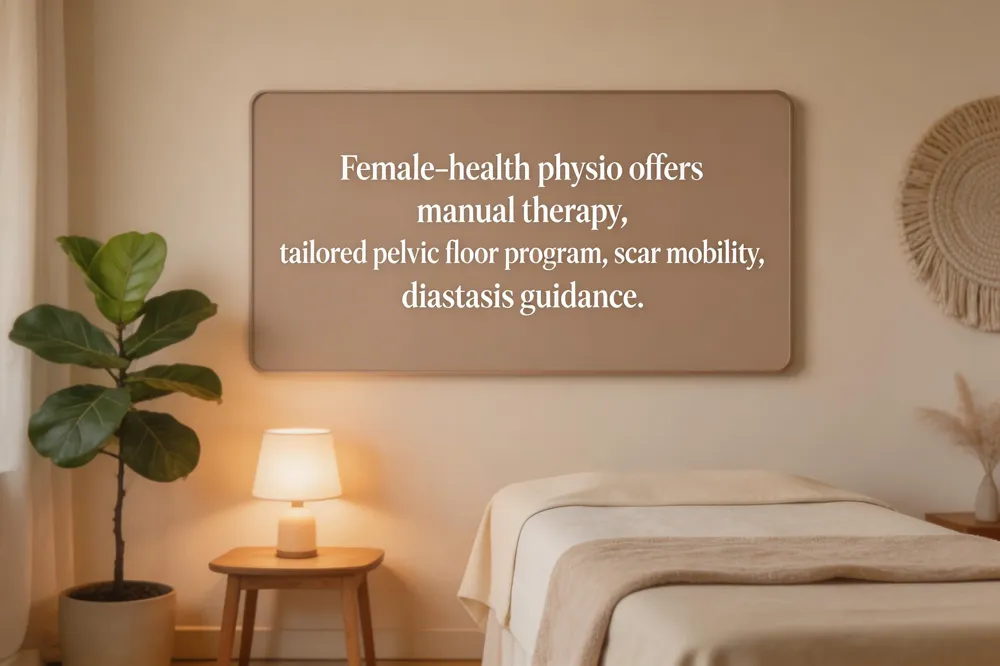 Female health physio – Our dedicated female‑health services restore pelvic floor function, relieve pelvic pain, and improve bladder, bowel, and sexual health for women of all ages. We treat prenatal and postpartum patients, endometriosis‑related pain, osteitis pubis, and post‑surgical rehab using evidence‑based techniques such as manual therapy, therapeutic exercise, and dry‑needling. Each plan is one‑on‑one, targeted, and aimed at preventing future dysfunction.
Pelvic floor exercises for postpartum prolapse – Start with diaphragmatic breathing and pelvic tilts while lying down, then progress to Kegel contractions (5‑10 second holds, 10‑15 reps, 2‑3 times daily). Add bridges, heel‑slide, and cat‑cow stretches to engage hips and lower back without raising intra‑abdominal pressure. Consistent practice reduces heaviness and supports the “hammock” muscles; a therapist will verify technique and adjust intensity.
Pelvic floor exercises after C‑section – Begin gentle work at 6‑8 weeks once the incision is healed. Focus on diaphragmatic breathing, pelvic tilts, and seated Kegels, then add cat‑cow, heel‑slide, and bridges (8‑12 reps). Avoid doming and monitor for pain or scar tightness. If issues arise, schedule a therapist visit for scar mobility assessment, diastasis guidance, and a safe progression plan.
Local resources include our clinic, the La Crosse County Health Department, and community postpartum support groups, all collaborating to keep you active, pain‑free, and confident.
Your Path to a Stronger Pelvic Floor
Recovery after birth is a gradual journey, and each stage offers an opportunity to revisit and progress your pelvic‑floor work. In the first six weeks, focus on gentle diaphragmatic breathing, seated or supine pelvic tilts, and the cat‑cow stretch—each performed 8‑12 times with smooth breaths. As you move into weeks 6‑12, add low‑intensity moves such as wall squats, bridges, and small lunges while continuing the basic Kegals. Keep a simple log of what you do and how you feel; noticing reduced leakage, less pelvic heaviness, or easier core activation signals that you are strengthening safely.
Hydration is especially vital for breastfeeding mothers and for maintaining tissue health during exercise. Aim for 1.5–2 L of fluid daily, and listen to cues of fatigue, pelvic pressure, or sharp pain—stop the activity and rest if any arise.
Finally, professional guidance can make all the difference. A pelvic‑floor physical therapist can assess strength, address diastasis recti, and tailor progression. Early follow‑up (usually 6–8 weeks postpartum) ensures stitches are healed, pain is managed, and you receive personalized cues, helping you achieve a pain‑free, active lifestyle.