

Introduction to Prenatal and Postpartum Rehabilitation
Importance of Tailored Rehabilitation During Pregnancy and Postpartum
Pregnancy and the postpartum period involve profound physical and physiological changes requiring specialized care. Tailored rehabilitation supports women in navigating these phases with safety and effectiveness, addressing unique challenges such as pelvic floor dysfunction, musculoskeletal discomfort, and altered biomechanics.
Overview of Physical Therapy and Exercise Benefits
Engaging in individualized physical therapy and appropriate exercise during and after pregnancy improves maternal health outcomes, such as reduced incidence of gestational diabetes, hypertensive disorders, and cesarean birth. Postpartum rehabilitation expedites recovery, enhances pelvic floor strength, and helps mitigate symptoms like urinary incontinence and pelvic pain. Exercise also benefits infant health by promoting healthier pregnancies.
Article Scope and Evidence-Based Guidelines
This section introduces evidence-based strategies and current professional guidelines for rehabilitation encompassing aerobic, strength, and pelvic floor-focused interventions during pregnancy and postpartum. It emphasizes a patient-centered, multidisciplinary approach grounded in expert recommendations to ensure safe exercise progression, symptom monitoring, and optimal recovery for active, pain-free living.
Evidence-Based Guidelines for Physical Activity During Pregnancy and Postpartum
What are the evidence-based guidelines for physical activity and exercise during pregnancy and the postpartum period?
The American College of Obstetricians and Gynecologists (ACOG exercise recommendations) recommends that pregnant and postpartum women engage in at least 150 minutes of moderate-intensity aerobic activity each week. This activity can include walking, swimming, stationary cycling, or yoga, and should be spread throughout the week to optimize health benefits.
Exercise plans during pregnancy should be individualized based on each woman's medical history and current health status. Routine evaluation and personalized exercise prescriptions help address physiologic changes in pregnancy such as increased blood volume, ligamentous laxity, and shifted center of gravity, ensuring maternal and fetal safety.
Women who were physically active during pregnancy prior to pregnancy can generally continue their exercise routines with appropriate modifications to reduce the risk of overheating, dehydration, or injury. Conversely, those new to exercise are encouraged to start slowly, gradually increasing intensity under medical guidance.
Importantly, certain activities involving high risks of abdominal trauma or excessive strain should be avoided. Most women with uncomplicated pregnancies are cleared for aerobic and strength conditioning in pregnancy.
Engaging regularly in Physical activity during pregnancy offers multiple benefits:
- Decreases the risk of Gestational diabetes mellitus risk reduction
- Lowers chances of Cesarean birth risk reduction and operative vaginal delivery
- Helps prevent pre-eclampsia and hypertension prevention and excessive weight gain
- Supports mental health by reducing the risk of postpartum depression prevention with physical activity
- Enhances postpartum recovery and exercise time and overall wellbeing
Postpartum exercise should be resumed gradually, focusing initially on low-impact activities and postpartum pelvic floor exercises. This approach supports recovery from childbirth-related musculoskeletal changes and establishes healthy lifelong exercise habits.
By following Physical Activity and Exercise During Pregnancy and working closely with healthcare providers, women can safely maintain active lifestyles throughout pregnancy and postpartum, promoting optimal outcomes for themselves and their babies.
Exercise Recommendations and Considerations in the Third Trimester
What are the recommended exercises and considerations for the third trimester of pregnancy?
During the third trimester, it is important for pregnant women to engage in safe and effective Physical activity during pregnancy that promote health without undue risk. Recommended exercises include gentle walking, swimming, and prenatal yoga or Pilates, which help maintain cardiovascular fitness, flexibility, and muscle strength while accommodating the physiologic changes in pregnancy. Pelvic floor exercises such as Kegels are crucial during this time to enhance pelvic muscle strength, improve labor outcomes, and support postpartum recovery.
High-impact exercises and activities that might increase the risk of falls or involve lying flat on the back should be avoided due to changes in balance and blood flow. Pregnant individuals are encouraged to modify routines based on their body’s signals, taking frequent rest breaks and stopping exercise if they experience symptoms like dizziness, shortness of breath, or pain.
Consultation with healthcare providers before beginning or modifying exercise regimens ensures that individual health status and pregnancy complications are considered, allowing for personalized and safe activity plans. Overall, third-trimester exercise focuses on preserving maternal well-being and preparing the body for labor and recovery.
Safe Initiation and Continuation of Exercise During Pregnancy
Criteria for Beginning Exercise During Pregnancy
Exercise can generally be started safely during pregnancy as soon as the woman feels comfortable, particularly if the pregnancy is uncomplicated and healthy. Women who were physically active before pregnancy are often encouraged to continue exercising, with adaptations as needed. For more information, see Physical activity during pregnancy.
Modifications for Women Who Were Physically Active Pre-Pregnancy
Those who habitually engaged in vigorous aerobic activity can continue these exercises during pregnancy but should adjust for physiological changes such as weight gain and balance shifts. Extra caution is advised to avoid overheating and dehydration. Relevant guidelines are detailed in Physical activity during pregnancy and prenatal and postpartum exercise.
Importance of Medical Evaluation, Especially for High-Risk Pregnancies
Medical clearance is essential, particularly for women with pregnancy complications like bleeding, cervical issues, or a history of preterm labor. A healthcare provider evaluation ensures exercise prescriptions are safe and tailored to individual risk. See Exercise safety during pregnancy, and for clinical safety considerations Physical activity during pregnancy.
Examples of Safe Low-Intensity Exercises to Start With
Beginners or those restarting exercise can try low-intensity activities such as walking, prenatal yoga, swimming, stationary cycling, and water aerobics. These exercises support cardiovascular fitness while minimizing risk and discomfort. Details on safe exercises and benefits can be found in Pregnancy exercises and Physical Activity and Exercise During Pregnancy.
Gradual Progression Following Symptom-Guided Approach
The American College of Obstetricians and Gynecologists recommends aiming for at least 150 minutes weekly of moderate-intensity aerobic activity. Progress should be gradual and guided by symptoms—any signs like vaginal bleeding, unusual pain, or decreased fetal movement warrant prompt medical consultation and exercise modification. For detailed recommendations, see ACOG exercise recommendations and pregnancy exercise guidelines.
At What Point During Pregnancy Is It Generally Safe to Start Exercising?
It is safe for women with uncomplicated pregnancies to start exercising early in pregnancy according to comfort and medical advice. The focus should be on individualized routines, safety monitoring, and gradual progression to sustain maternal and fetal health throughout pregnancy. See Safe Pregnancy Exercise Guidelines and Pregnancy and Postpartum Exercise Recommendations.
The American College of Obstetricians and Gynecologists (ACOG) Guidelines
What are the ACOG exercise recommendations for exercise during pregnancy and postpartum?
The American College of Obstetricians and Gynecologists (ACOG) recommends that women with uncomplicated pregnancies engage in at least 150 minutes of moderate-intensity aerobic activity weekly. Activities such as walking during pregnancy, swimming for pregnant women, stationary cycling, and water aerobics for pregnant women are considered safe and beneficial.
What types of safe aerobic and resistance exercises are recommended during pregnancy?
ACOG supports engaging in aerobic exercises including walking during pregnancy, dancing, and water aerobics for pregnant women. Resistance training and stretching tailored to physiologic changes in pregnancy are encouraged. These strengthen muscles and improve endurance while accommodating shifts in gravity and weight gain.
What exercises or activities should be avoided?
Pregnant women should avoid exercises with a high risk of falling or abdominal trauma, such as contact sports, scuba diving, or activities requiring sudden changes in direction. Heavy lifting exceeding 20 kg repeatedly is also discouraged due to potential preterm birth risk, consistent with heavy lifting risks in pregnancy.
What postpartum exercise advice focuses on pelvic floor health?
Gradual resumption of physical activity postpartum is recommended, beginning with pelvic floor exercises postpartum to restore muscle tone and reduce risks like urinary stress incontinence and diastasis recti. Pelvic floor muscle training postpartum supports faster recovery, overall fitness, and prepares women for a safe return to routine and higher impact activities.
Why is medical clearance and activity modification important?
Before starting or continuing exercise routines, medical evaluation ensures safety by identifying any pregnancy or medical contraindications. Exercise plans should be adapted to the individual’s physiological changes and comfort, with hydration and avoidance of overheating emphasized for vigorous activities, in accordance with safe exercise practices during pregnancy.
By following ACOG’s evidence-based guidelines, pregnant and postpartum women can safely enjoy the benefits of exercise, promoting healthier pregnancies and smoother recovery phases.
Postpartum Exercise and Rehabilitation Guidelines
What are the current postpartum exercise and rehabilitation guidelines?
Postpartum exercise should begin gradually, tailored to each woman's recovery and delivery type. Women with uncomplicated vaginal deliveries can start gentle activities such as walking and pelvic floor exercises postpartum within days after birth. For cesarean births or complicated deliveries, it's essential to consult a healthcare provider before initiating exercise to ensure safety and allow appropriate healing time.
Gradually progressing from low-impact activities to more moderate-intensity aerobic activity supports physical recovery without overwhelming the body. Aiming for at least 150 minutes of moderate aerobic exercises per week, broken into manageable sessions of 10 minutes or more, promotes cardiovascular health, energy levels, and mental well-being.
Muscle strengthening is a vital component of postpartum rehabilitation. Pelvic floor exercises, including Kegels after childbirth, help restore muscle function affected by childbirth and reduce risks of urinary incontinence and pelvic floor dysfunction. Core strengthening exercises also contribute to improving posture, reducing back pain, and addressing diastasis recti.
Awareness of symptoms such as pelvic heaviness, urinary leakage, abdominal separation, or pain is crucial. Women should avoid high-impact activities like running or strenuous sports during the initial 12 weeks postpartum to prevent injury or worsening symptoms, following safe postpartum exercise guidelines.
Healthcare provider guidance plays a central role in creating personalized, symptom-guided exercise plans. Regular assessments ensure safe progression and adaptation to individual needs, especially for women experiencing complications or musculoskeletal discomfort, supported by structured postpartum recovery protocols.
This structured, attentive approach to postpartum exercise fosters successful recovery, supports lifelong wellness, and empowers women to navigate their postpartum journey with confidence and safety.
Week-by-Week Postpartum Recovery Timeline
How does the recovery timeline typically progress week by week after childbirth?
The postpartum recovery journey unfolds gradually over several weeks, beginning immediately after childbirth with key physical and emotional adjustments.
In the first postpartum week, women commonly experience symptoms such as vaginal bleeding known as lochia, breast engorgement, and discomfort from any perineal tears or episiotomy wounds. These physical changes reflect the body's healing process and usually require attentive rest and care. Emotional fluctuations are also common, and women are encouraged to seek support if they notice mood disturbances.
By around weeks 4 to 6, many women begin a gentle reintroduction of light physical activities. This includes short walks and specifically guided pelvic floor exercises, which are essential to strengthen weakened pelvic muscles stretched during pregnancy and birth. Engaging with a pelvic health physical therapist during this period can help tailor exercise routines to individual needs and monitor recovery progress.
Throughout the postpartum period, monitoring physical symptoms such as pelvic discomfort, urinary leakage, and signs of excessive fatigue is vital. Equally important is attention to emotional health, as up to one in five women may develop postpartum depression or anxiety, often requiring early diagnosis and intervention (Optimizing postpartum care).
Professional guidance from healthcare providers and pelvic health specialists plays a crucial role in achieving a safe and effective recovery. This includes personalized support in managing musculoskeletal changes, gradual exercise progression, and addressing any complications promptly to promote overall well-being (Postnatal rehabilitation).
Remember: The recovery timeline is unique for every woman, and listening to one’s body alongside professional advice ensures a healthier postpartum journey (Postpartum exercise safety guidelines).
Recommended Postpartum Return to Exercise Plan
What is a recommended postpartum return to exercise plan?
Resuming exercise after childbirth should be a gradual and carefully guided process. Initially, gentle movements such as Postpartum walking exercise, Pelvic tilts, and Pelvic floor contractions postpartum are encouraged. These exercises focus on strengthening the core and pelvic muscles that may have been stretched or weakened during pregnancy and delivery.
The U.S. Department of Health and Human Services advises postpartum women to aim for at least 150 minutes of Moderate-intensity aerobic activity each week. This goal can be reached through multiple shorter sessions of 10 to 30 minutes. It is generally safe to start gentle physical activity as early as a few days after a healthy vaginal birth, but consultation with a healthcare provider is crucial, especially for those recovering from cesarean delivery or complicated births (Optimizing postpartum care.
How should aerobic activity be progressed?
After beginning with low-impact exercises, women can slowly increase the duration and intensity of activity. Aerobic exercises such as Walking during pregnancy can be gradually extended in pace and distance over weeks, transitioning into activities like swimming, yoga, or Pilates, which promote strength, flexibility, and balance without excessive strain (Physical Activity and Exercise During Pregnancy.
Why is professional consultation important?
Postpartum recovery involves varied healing timelines, particularly following cesarean sections. A healthcare provider or Pelvic health therapy session details specialist can offer individualized guidance on appropriate exercise intensity and identify any contraindications or symptoms that require adaptation or pause, such as pelvic pain or urinary leakage (Postpartum recovery physical therapy).
Listening to body signals throughout progression
Attuning to the body's responses is fundamental. Signs such as pelvic heaviness, discomfort, or abnormal bleeding should prompt a pause in activity and medical evaluation (Current Guidelines and Recommendations for Postnatal Exercise. A gradual, symptom-guided return to exercise supports optimal recovery while minimizing risks of overexertion or injury.
Incorporating holistic movement forms and respecting individual recovery pace maximizes postpartum wellness and empowers mothers toward active, pain-free living (Best postpartum movements).
Timeline for Full Physical Recovery Post-Childbirth
How long does it typically take for the body to return to its pre-pregnancy state after childbirth?
Optimizing postpartum care is a gradual process varying widely between individuals. While the first 6 to 8 weeks after birth focus on immediate changes like uterine involution, wound healing, and hormonal adjustments, full physical and emotional recovery often spans from six months up to two years.
What are the important milestones in postpartum recovery?
Key physical milestones include:
- Uterine Involution: The uterus returns to its pre-pregnancy size usually within 6 weeks.
- Wound Healing: Incision or perineal healing generally occurs in the initial weeks postpartum.
- Pelvic Floor Recovery Timeline: The pelvic floor muscles stretch considerably during delivery and can take 4 to 6 months or longer to regain strength.
- Diastasis Recti Resolution: Abdominal muscle separation improves gradually with targeted exercise (Assessing and treating diastasis recti).
Which postpartum issues commonly persist beyond the initial recovery?
- Pelvic floor weakness leading to urinary incontinence or pelvic organ prolapse.
- Diastasis recti contributing to core instability.
- Hormonal fluctuations affecting mood and physical health.
- Musculoskeletal discomfort from postural changes and ligament laxity.
How do fitness levels and support systems influence recovery?
Pre-pregnancy fitness, birth experience, sleep quality, and emotional support significantly affect recovery speed and quality. Women who maintain regular, guided physical therapy and participate in gradual postpartum exercise often experience enhanced healing and function as recommended in Pregnancy and Postpartum Exercise Recommendations and supported by Postnatal rehabilitation.
Why is ongoing physical therapy and health follow-up important?
Regular Pelvic floor physical therapy benefits and musculoskeletal assessments allow individualized exercise progression and prevent complications. Optimizing postpartum care visits tailored to the mother's needs ensure monitoring of physical, psychological, and social well-being to support a safe return to activity and lifelong health.
Best Practices for Resuming Running and High-Impact Activity Postpartum
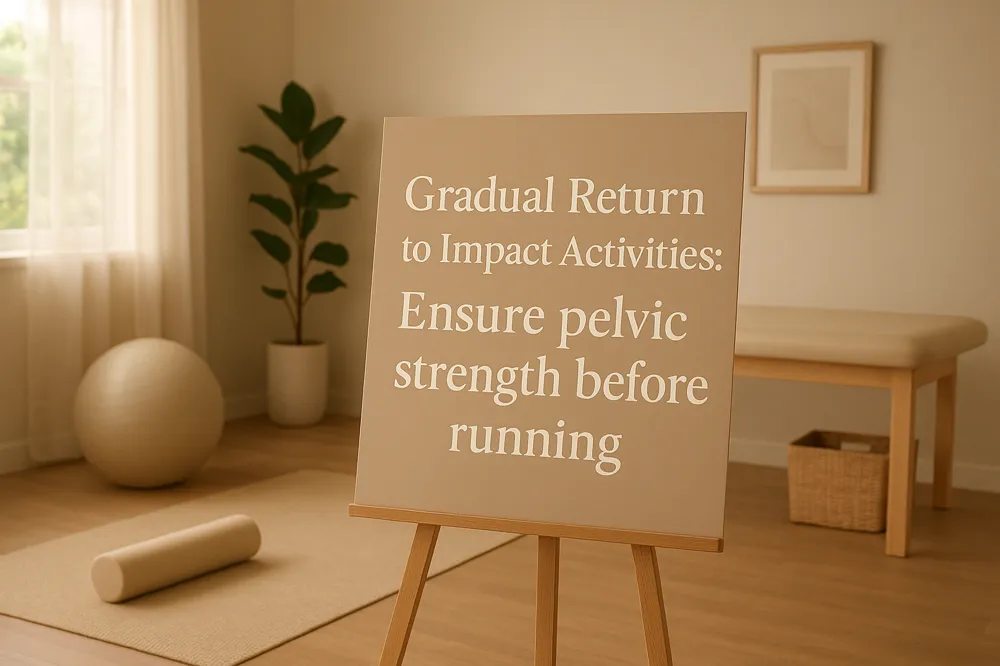
What are the guidelines and best practices for returning to running postpartum?
Returning to running and other high-impact activities postpartum should be approached with care and tailored to each woman's recovery status. Generally, experts recommend delaying running for at least three months after childbirth to allow the body adequate time to heal from musculoskeletal and pelvic floor muscle function changes incurred during pregnancy and delivery. For detailed information on Safe return to running post childbirth and Structured Prenatal and Postnatal Exercise Programs, consult current clinical guidelines and specialist resources.
Before initiating running, a thorough assessment of pelvic floor muscle function is critical. Women should demonstrate the ability to contract and relax pelvic floor muscles properly and be free from symptoms such as urinary leakage, pelvic heaviness, pain, or abdominal separation (diastasis recti. Additionally, being able to walk for 30 minutes without discomfort is commonly used as a functional milestone indicating readiness.
Progressive strength training targeting the pelvic floor, core, and lower extremities forms the foundation for safely returning to impact activities. Exercises such as calf raises, single-leg squats, and controlled jumping drills help build tolerance and neuromuscular control needed for running. Resources on gradual postpartum exercise progression timeline and Pelvic floor exercises postpartum provide exercise examples and guidelines.
Symptom awareness is vital; any signs of pelvic floor dysfunction like leakage, increased pelvic pressure, or pain during activity warrant pausing exercise and consulting healthcare providers or pelvic health specialists. More on Signs to stop or slow postpartum exercise and Pelvic floor dysfunction recovery can guide clinical decision-making.
Integrating these elements into a personalized multidisciplinary postpartum rehabilitation plan ensures a gradual and monitored return to running. This approach minimizes the risk of injury and supports sustainable, pain-free participation in high-impact sports while promoting long-term pelvic health and physical wellness. For comprehensive insights on multidisciplinary postpartum pelvic health care and Postpartum exercise safety guidelines, consider expert consensus and evidence-based recommendations.
Summary and Resources for Prenatal and Postpartum Rehabilitation
Rehabilitation Best Practices During Pregnancy and Postpartum
Maintaining regular, moderate-intensity physical activity during pregnancy is critical for reducing risks such as gestational diabetes, preeclampsia, and excessive weight gain. Postpartum rehabilitation should focus on gradual progression of activities—beginning with gentle walking and pelvic floor exercises—and advance based on individual tolerance and functional assessments.
Pelvic Floor Health and Recovery
The pelvic floor undergoes significant stretching during childbirth, necessitating targeted rehabilitation weaved through pregnancy and postpartum periods. Strengthening and retraining pelvic floor muscles early can prevent and manage dysfunctions like urinary incontinence and prolapse, supporting long-term pelvic health.
Specialized Women's Health Physical Therapy and Ongoing Care
Women’s health physical therapy offers tailored assessment and individualized treatments addressing musculoskeletal discomfort, pelvic floor disorders, and postpartum recovery challenges. Ongoing care through comprehensive evaluation ensures progression is safe and effective, minimizing complications and supporting holistic wellness.
Certifications and Educational Resources for Therapists
Pelvic health therapists often acquire advanced certifications and residencies through programs such as those offered by the American Physical Therapy Association and Summit Professional Education. These programs equip therapists with up-to-date techniques in pelvic floor therapy, manual treatments, and exercise progression strategies, ensuring evidence-based and specialized care for prenatal and postpartum populations.