

Understanding the Vital Role of Pelvic Health in Women's Wellness
Definition and Significance of the Female Pelvis
The female pelvis is a complex structure that supports critical organs such as the bladder, uterus, and intestines. This region plays a vital role not only in reproductive health but also in fundamental bodily functions, including bladder and bowel control.
Overview of Pelvic Floor Anatomy and Functions
Beneath the pelvis lies the pelvic floor—a group of muscles, ligaments, and connective tissues forming a supportive hammock. These muscles maintain the position and function of the bladder, uterus, bowels, and other pelvic organs. They also contribute to sexual health and core stability.
Connection Between Pelvic Health and Overall Women's Wellness
A strong, well-functioning pelvic floor is essential to women’s overall wellness. Weakness or dysfunction can lead to urinary or fecal incontinence, pelvic organ prolapse, pelvic pain, and sexual difficulties. Furthermore, pelvic health influences emotional well-being and daily quality of life. Maintaining pelvic wellness through targeted exercises and physical therapy empowers women to live actively and pain-free throughout different stages of life.
The Female Pelvis: Structure, Function, and Benefits
What is the anatomy of the female pelvis and its unique features?
The female pelvis is a broad, shallow structure composed of bones, ligaments, and muscles forming a protective basin for reproductive organs. Its design includes a wider pelvic opening and a larger pubic arch compared to males, which facilitates the birthing process. This anatomical setup supports the uterus, ovaries, fallopian tubes, and bladder, securing essential organs within the pelvic floor muscles and ligaments.
How does the female pelvis support reproductive organs and childbirth?
Uniquely shaped to assist childbirth, the female pelvis plays a pivotal role during pregnancy by providing a supportive cradle for the growing fetus. Structural flexibility, enhanced by pregnancy hormones like relaxin, enables the pelvis to expand and adapt, ensuring safe passage of the baby through the birth canal. This specialized function underscores the pelvis’s importance in Pelvic Health & Wellness.
What is the structural role of the pelvis in weight bearing and core stability?
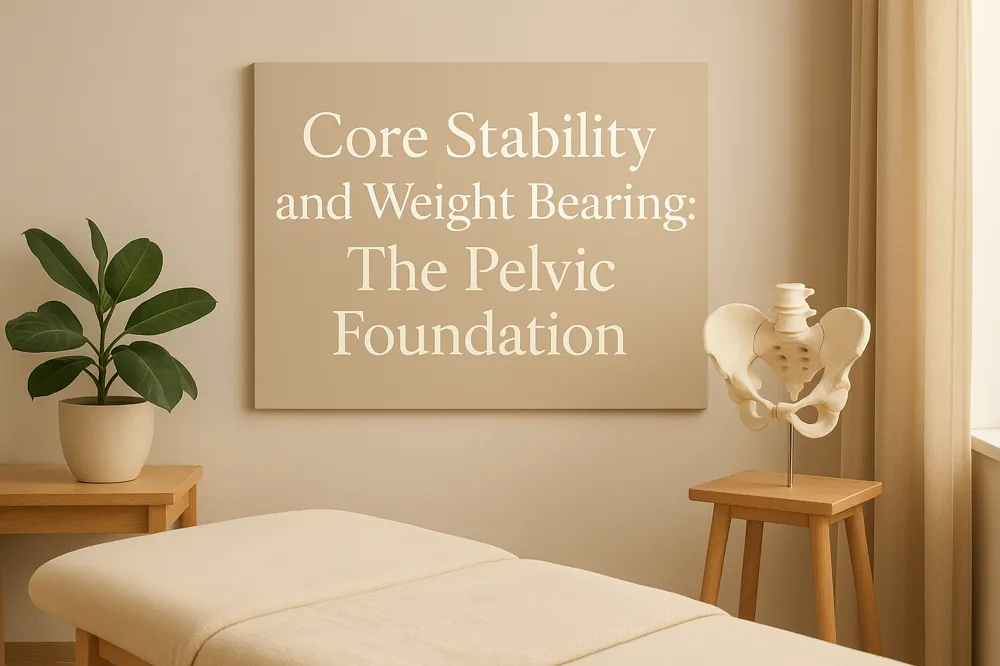
Beyond reproduction, the pelvis acts as a central weight-bearing structure, transferring the upper body's load to the lower limbs for balance and mobility. It contributes to core stability by integrating with abdominal and back muscles, enabling posture maintenance and dynamic movements. This function is crucial for everyday activities and overall musculoskeletal health, as addressed by Women's health physical therapy.
How do pelvic floor muscles contribute to bladder, bowel, and sexual health?
The pelvic floor muscles and tissues consist of muscles and connective tissues forming a supportive hammock beneath the pelvis. These muscles regulate bladder and bowel control, assist in sexual function, and stabilize pelvic organs. Strengthening pelvic floor muscles through exercises like pelvic floor exercises kegel enhances continence, reduces pelvic pain, and improves sexual health, promoting overall well-being. Pelvic floor physical therapy and related techniques have proven benefits for these functions (Pelvic Floor Therapy).
What are the benefits provided by a healthy female pelvis?
A healthy female pelvis offers comprehensive benefits: it facilitates childbirth by its shape and flexibility, protects vital pelvic organs, and maintains continence and pelvic organ support through strong muscular function. It also contributes to spinal stability and balanced posture. Maintaining pelvic health supports daily function, reduces risks of disorders like Pelvic floor disorders, and improves quality of life across all ages (Pelvic health and overall wellness).
Pelvic Floor Health: Foundation of Women's Wellness
Why is pelvic floor health important?
The pelvic floor muscles and ligaments form a supportive hammock beneath the pelvis. These muscles support vital organs including the bladder, uterus, rectum, and in men, the prostate. A strong pelvic floor benefits is essential to maintain urinary and bowel control, support reproductive and sexual health, and contribute to core stability.
Pelvic floor disorders caused by weakness or injury to these muscles can lead to common issues such as urinary incontinence, fecal incontinence, and pelvic organ prolapse. Risk factors for pelvic floor dysfunction include childbirth impact on pelvic health, aging, obesity, and surgeries like hysterectomy or prostatectomy. Therefore, maintaining the strength of the pelvic floor muscles is critical to prevent these conditions.
Common pelvic floor disorders and risk factors
Pelvic floor disorders in women affect a significant portion of women, with approximately one in four experiencing symptoms in their lifetime. These disorders include pelvic organ prolapse, involuntary urine or stool leakage, pelvic pain, and sexual dysfunction. Childbirth and pelvic health, especially vaginal delivery, is a major contributing factor, along with aging-related hormonal changes, increased body weight, and prior pelvic surgeries.
Impact on bladder, bowel, and sexual function
The pelvic floor muscles play a pivotal role in support for bladder and bowels by coordinating tightness and relaxation to manage urination and defecation. Additionally, these muscles support sexual function by increasing sensation and aiding arousal. Dysfunction can lead to challenges such as urgency, leakage, pain during intercourse, and decreased sexual satisfaction.
Benefits of a strong pelvic floor for women
A well-conditioned pelvic floor facilitates reliable bladder and bowel control, reducing incidents of leakage or incontinence. It also helps maintain pelvic floor support for bladder and bowels, lowering the risk of prolapse. Moreover, pelvic floor strength enhances sexual health by supporting sensation and function. Strengthening these muscles also promotes core stability, improving posture and reducing the likelihood of lower back pain. For detailed benefits, see Benefits of pelvic health physical therapy.
Preventive strategies including pelvic floor exercises
Pelvic floor exercises Kegels, commonly known as Kegels, involve contracting and relaxing these muscles to build strength and endurance. Regular performance of these exercises several times daily can prevent or improve pelvic floor disorders. For many women, targeted Pelvic floor physical therapy offers personalized guidance to ensure proper technique and address symptoms effectively. Early intervention and consistent care help Pelvic Floor Health Overview at every age and life stage.
Pelvic Floor Health Throughout Pregnancy and Postpartum

Why is the pelvic floor important during pregnancy?
The pelvic floor plays a vital role in supporting the growing uterus, bladder, and intestines throughout pregnancy. As the fetus develops, these pelvic floor muscles and ligaments bear increasing weight and must maintain the proper position of pelvic organs. Hormonal changes, particularly the release of relaxin and progesterone, loosen joints and connective tissues, which can weaken pelvic stability and muscle tone. Strengthening the pelvic floor is therefore essential to support bladder and bowel control, reduce the risk of urinary incontinence, and prevent pelvic organ prolapse during pregnancy.
How do hormonal changes and physical strain affect pelvic muscles during pregnancy?
Pregnancy-related hormones relax ligaments and soften tissues around the pelvis, allowing necessary flexibility but also increasing muscle vulnerability. Combined with the physical strain of carrying additional weight, pelvic muscles may become overstretched or fatigued. This can lead to discomfort, urinary urgency, or leakage, and may complicate childbirth and recovery.
What are the benefits of pelvic floor exercises during pregnancy?
Exercises like Kegels help strengthen the pelvic floor muscles by repeatedly contracting and relaxing the muscles that control the bladder and bowels. Regular pelvic floor exercises improve muscle tone and endurance, contributing to better organ support and enhanced control over urinary and bowel function. They also aid in preparing the muscles for labor, facilitating delivery and minimizing trauma.
What pelvic health challenges occur postpartum, and how can recovery be supported?
Postpartum women often face challenges such as muscle weakness, pelvic organ prolapse, and urinary incontinence due to muscle strain or injury sustained during childbirth. Recovery involves continued pelvic floor exercises, pelvic floor physical therapy, and sometimes specialized treatments like biofeedback or manual therapy. Healing from childbirth typically takes many months, and maintaining pelvic health through this period is crucial for regaining strength and function.
Why is ongoing pelvic care important for new and expectant mothers?
Maintaining pelvic health before, during, and after pregnancy supports overall wellness, prevents long-term complications, and enhances quality of life. Early and ongoing care helps address symptoms promptly and promotes recovery. Pelvic floor physical therapy offers personalized guidance and treatment to women at all stages, reinforcing muscle function and supporting core stability through the demands of pregnancy and motherhood.
Pelvic Physical Therapy: Assessment, Techniques, and Benefits

What is involved in pelvic physical therapy?
Pelvic physical therapy focuses on evaluating and treating the pelvic floor muscles and ligaments that support the bladder, bowel, and reproductive organs. This specialized therapy begins with an in-depth Pelvic Floor Initial Evaluation involving a review of symptoms, medical history, and functional impairments. When appropriate and with consent, an internal examination may be conducted to assess muscle strength, coordination, and flexibility. Based on this assessment, a Pelvic Floor Treatment Plan is designed to address each individual’s unique condition.
Common conditions treated through pelvic physical therapy include urinary incontinence and fecal incontinence, pelvic pain, sexual dysfunction, pelvic organ prolapse, and recovery after pelvic or abdominal surgeries. The overarching goal is to restore muscular balance and coordination, enhance pelvic support, and improve the benefits of pelvic health physical therapy on overall quality of life.
Therapeutic techniques including manual therapy, biofeedback, and Kegel exercises
Pelvic physical therapy utilizes a variety of therapeutic techniques tailored to patient needs. Manual therapy involves hands-on techniques to release muscular tension, improve blood flow, and reduce pain. Biofeedback therapy for pelvic floor dysfunction uses sensors to provide real-time feedback, helping patients learn to correctly contract and relax pelvic floor muscles.
Kegel exercises, a foundational component of pelvic therapy, consist of purposely squeezing and lifting the pelvic muscles repeatedly. These exercises are prescribed and monitored to ensure they are performed correctly, as incorrect technique can limit their effectiveness. Beyond Kegels, therapists often incorporate functional movements such as bridges, squats, pelvic tilts, and bird dogs that engage the pelvic region in a holistic way.
For patients with pelvic floor tension and pain, relaxation techniques including diaphragmatic breathing and targeted stretches (e.g., butterfly stretch, happy baby pose, hip flexor stretches) are emphasized to reduce muscle tightness and discomfort.
The role of physical therapy in enhancing pelvic health and quality of life
Pelvic physical therapy plays a critical role in helping individuals regain control over pelvic functions and alleviate symptoms that impact daily living. Strengthening and retraining the pelvic floor can prevent or manage incontinence, ease pelvic pain, improve sexual function, and support recovery after childbirth or surgery.
Early intervention with pelvic therapy leads to better outcomes by preventing symptom progression and promoting healing. Therapists provide education on body mechanics, posture, and lifestyle modifications to sustain pelvic health long-term. By improving pelvic muscle function and coordination, patients often experience improved confidence, physical activity levels, and overall emotional well-being.
This therapy is suitable for women and men across all ages, with individualized approaches that address diverse Pelvic Health & Wellness. Consulting a trained pelvic health physical therapist ensures safe, effective care tailored to each person’s condition and goals.
Promoting Pelvic Health: Awareness, Red Flags, and Support

Awareness of Pelvic Health and Reducing Stigma
Pelvic health is a vital part of overall wellness, yet many women delay seeking care due to stigma or lack of awareness. Recognizing that pelvic floor therapy are common and treatable is important. Education about pelvic health empowers women to understand their bodies, encourages early intervention, and promotes proactive management through Pelvic floor physical therapy and lifestyle changes.
Common Warning Signs Indicating Need for Medical Consultation
Certain signs should prompt medical evaluation by a pelvic health physical therapy specialist. These include persistent constipation; recurrent urinary tract infections accompanied by pain or urgency; frequent nighttime urination disrupting sleep; and symptoms of vaginal infection such as new, bloody, or foul-smelling discharge. Early diagnosis can prevent worsening of symptoms and improve quality of life.
Insurance Coverage and Accessibility of Pelvic Floor Therapy
Pelvic floor physical therapy is generally covered by most insurance plans under physical therapy benefits, making it accessible for many women. Clinics often participate in various commercial insurance networks, reducing out-of-pocket expenses. Many patients with out-of-network benefits can obtain partial reimbursement through superbills, often covering 50% to 80%. Medicare Part A is broadly accepted, with Medicare Part B available for certain in-person and virtual care, while Medicaid acceptance varies. Patients should review their insurance policy details or consult providers to confirm coverage.
Importance of Holistic Lifestyle Factors Supporting Pelvic Health
Beyond therapy, four pillars support pelvic wellness for women's health: stress management, adequate sleep, proper movement, and balanced nutrition. Managing stress helps prevent pelvic floor muscle weakness, while quality sleep allows tissue recovery and healing. Regular, mindful physical activity strengthens pelvic floor muscles and improves flexibility. Balanced nutrition provides essential nutrients necessary for maintaining healthy pelvic tissue. Embracing these lifestyle factors enhances pelvic function and reduces risks of urinary incontinence and pelvic pain.
Empowering Women to Seek Timely Care and Improve Wellness
Recognizing symptoms early and seeking specialized care can dramatically improve outcomes. Women’s health physical therapy therapists offer personalized treatment plans that restore muscle function and address pain. Women are encouraged to break the silence around pelvic health, prioritize wellness, and utilize available Pelvic Floor Therapy and community support to live active, pain-free lives.
Maintaining Pelvic Health for Lifelong Wellness
Pelvic health is fundamental to women's overall well-being, supporting bladder, bowel, reproductive, and sexual functions.
Weakness or dysfunction in pelvic floor muscles can cause disorders such as incontinence, pelvic organ prolapse, and chronic pelvic pain.
Proactive care through education, pelvic floor therapy, and lifestyle adjustments helps maintain muscle strength and function across all life stages.
Regular engagement in pelvic exercises, early consultation with healthcare providers, and personalized physical therapy can prevent or manage symptoms effectively.
Empowering women with knowledge and access to specialized care promotes lifelong pelvic health and improves quality of life.